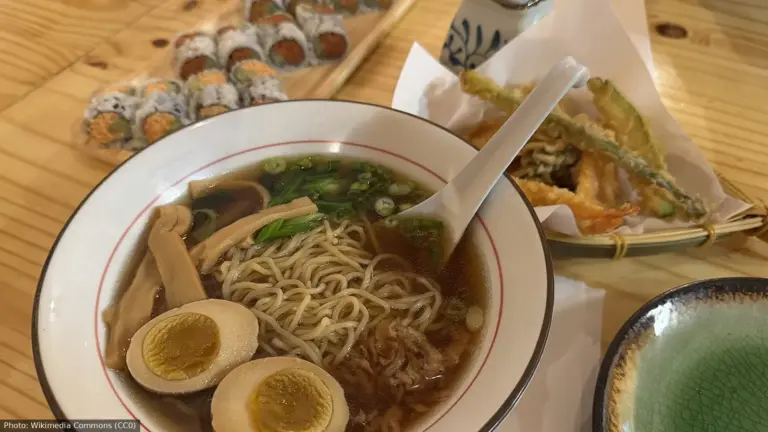
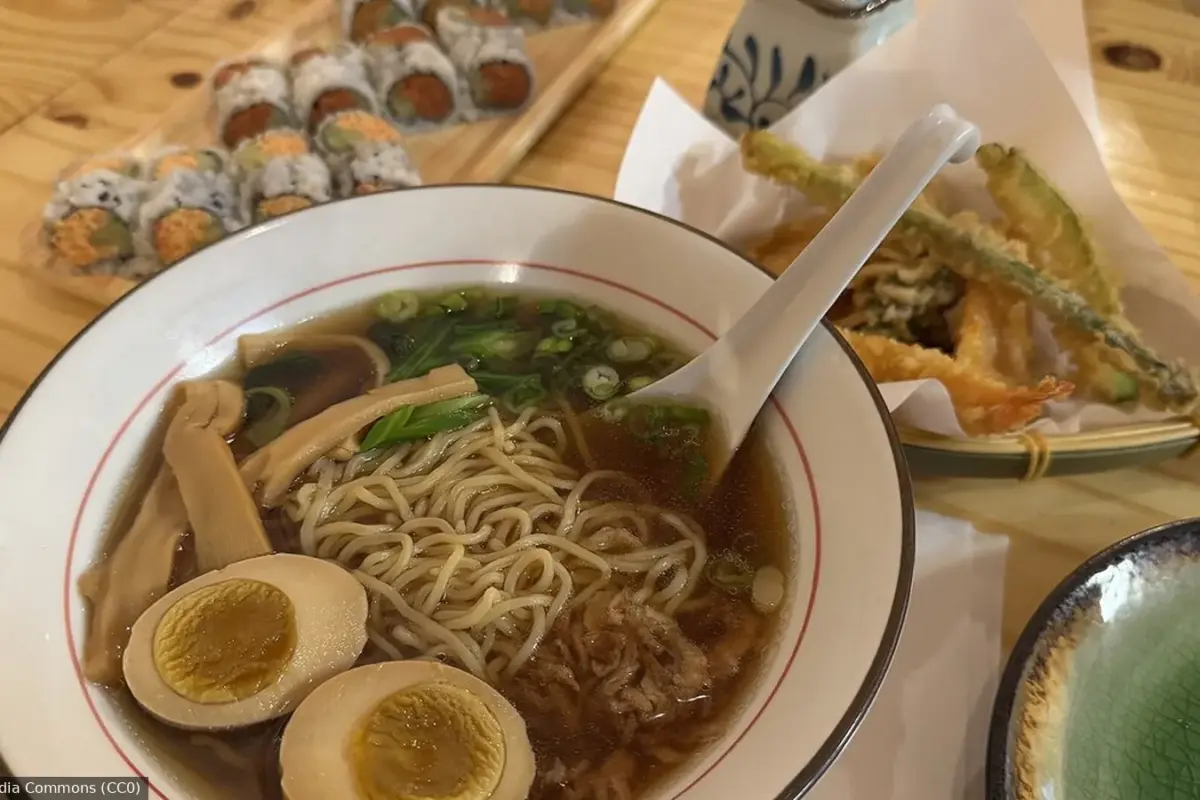
Toronto’s ramen map is crowded: tonkotsu, tsukemen, yuzu, spice ladders, a Michelin-recommended room in Roncesvalles and a clam shoyu downtown that shares a kitchen with a tendon shop. This list is a research snapshot of 10 shops we checked against official menus, current addresses and public listings in November 2026. It isn’t a ranking of bowls we ate this week, and it isn’t a promise that the lunch line will be short. Use it to pick a style, then confirm hours on the shop’s own page the day you go.
If you only have time for one or two
Go to Konjiki on Elm Street for the clam shoyu, priced at $18.50 on the official downtown menu we checked in November 2026. Go to Musoshin on Boustead Avenue if you want the Michelin-recommended room with house-extruded noodles and a lighter broth. For dip noodles, the College Street flagship of Ramen Isshin is still the city’s best-known tsukemen stop. The rest of this list fills in the gaps: creamy pork, chicken paitan, yuzu, heat, Yokohama iekei and two Toronto-born shops.
Konjiki on Elm, for clam shoyu
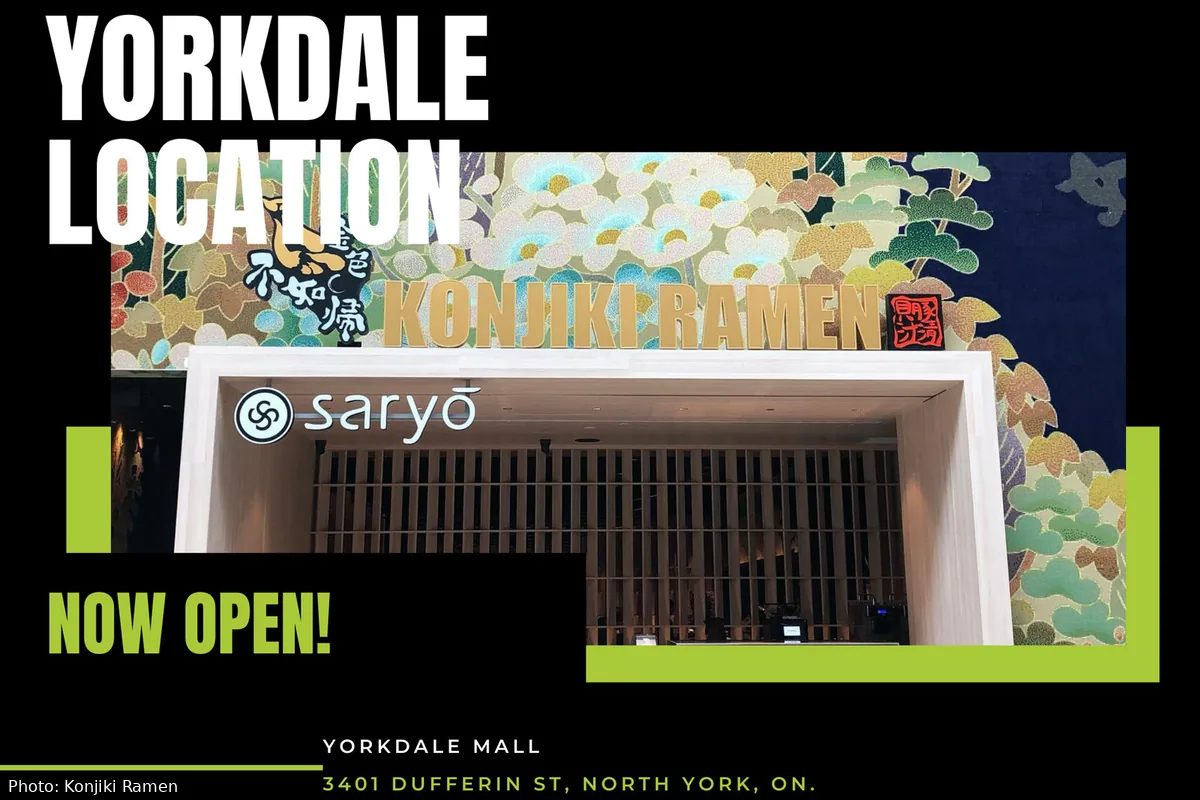
The downtown room at 41 Elm Street is Konjiki’s Canadian outpost, and it shares a kitchen with Shitamachi Tendon Akimitsu. That’s why the table next to a ramen bowl often has a prawn tendon. The headliner on the official downtown menu is Signature Clam Intense Shoyu, $18.50, or $23 if you supersize: clam, chicken and pork soup with sous-vide pork chashu, porcini and black truffle sauce. Clam Mild Shio is also $18.50 if you want white truffle oil and pancetta instead. Original Shoyu Tonkotsu starts at $17.50. Gyoza are $7.40 if you’re splitting.
It’s a walk-in room, and the lunch queue gets real help from hospital row and TMU. Dundas Station is a short walk. Prices above were checked on konjikiramen.com’s downtown menu in November 2026.
Musoshin in Roncesvalles, the lighter Michelin pin
Don’t go to the old Bloor address. Chef Aoi Yoshida’s shop is at 9 Boustead Avenue, and it’s Michelin Recommended for Toronto. Noodles are extruded in-house, and the broths lean lighter than classic tonkotsu, more vegetable and koji than long-simmered pork. Destination Toronto flags the vegan curry ramen. There’s a bakery case up front for shokupan when it’s out.
The room is small and walk-in. Hours commonly listed are 11:30 a.m. to 9 p.m. Sunday to Thursday, and 11:30 a.m. to 10 p.m. Friday and Saturday. Confirm before you go. Dundas West Station or the 504 streetcar will drop you close.
Isshin on College, for tsukemen
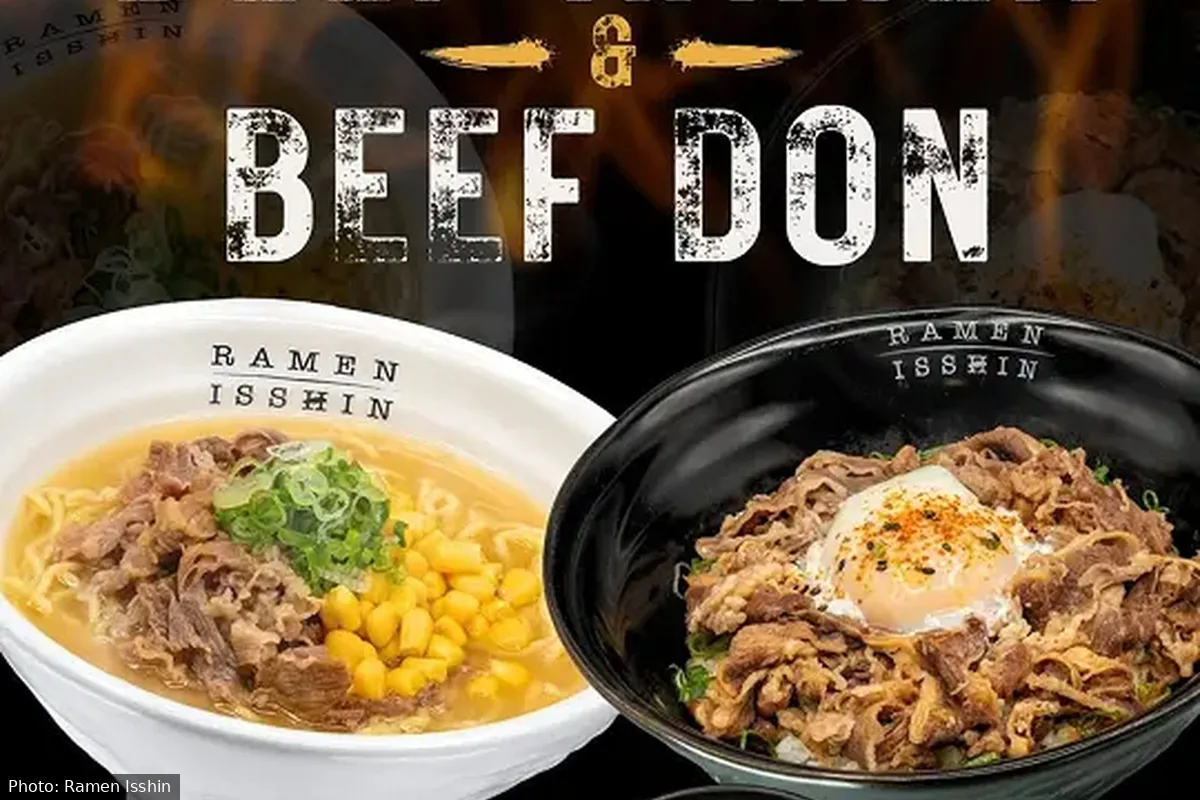
The 421 College Street flagship is still where people send you for dip noodles. The Stone Bowl Shoyu Kotteri Tsukemen keeps a pork-seafood broth hot in stone under thick noodles. If you want soup already in the bowl, the wok-fried red miso is the usual turn. Vegetarian red miso with egg-free noodles is a real option, not an afterthought.
Walk-in, with a digital waitlist at peak. The kitchen typically starts at 11:30 a.m. and runs later on Friday and Saturday. The 506 Carlton streetcar stops on the same street, which is handy if you’re already using our Little Italy and College Street guide to plan the rest of the afternoon.
Santouka on Dundas East, for a clean tonkotsu
Hokkaido Ramen Santouka’s downtown shop is at 91 Dundas Street East, an easy walk from Dundas Station. The Asahikawa chain’s story is a once-simmered white tonkotsu served drinkable-warm. Shio ramen is the clean default. Tokusen Toroniku upgrades the pork jowl. If you’re already in the east end, there’s a Scarborough plaza location at 3280 Midland Avenue, Unit 23.
Walk-in only. The lunch line is real. That’s the trade-off for a straightforward bowl.
Two Ikkousha doors on Queen West
This is the listing people mix up. 249 Queen Street West is Hakata pork tonkotsu; you can ask for noodle firmness, and Black Tonkotsu adds roasted garlic. Two doors up, 257 Queen Street West is the chicken twin: Tori Paitan and Tori Black with charred garlic and black sesame. Don’t tell friends “I’ll meet you at Ikkousha” without the number. Both are walk-in, a short hop from Osgoode Station or the 501 Queen car.
AFURI on Church, for yuzu
411 Church Street is Tokyo AFURI’s Toronto room, in Church-Wellesley. The citrus lane is the reason to come: Yuzu Shio, built on chicken-seafood dashi and Kochi yuzu, plus Yuzu Tsuyu tsukemen. Vegans get a miso cashew tantanmen. The room is bigger than most ramen-ya in this list, and online reservations or a waitlist help on weekends. Hours are often listed around 11 a.m. to 10:30 p.m. daily. Confirm, then use College or Wellesley station.
Kenzo in the Annex, if you want heat
Kenzo, at 372 Bloor Street West, is a local trailblazer with house-aged thin noodles and a long-simmered pork, chicken and seafood broth. Spicy Charsu lets you climb a capsaicin ladder. Start lower than your ego suggests. It’s walk-in, near Spadina Station, with a typical dine-in window around 11:30 a.m. to 9:45 p.m. Confirm before you go.
Machida Shoten, for Yokohama iekei
At 326 College Street, just west of Spadina, Machida Shoten does thick tonkotsu-shoyu with chicken oil, spinach, nori and a quail egg on the MAX bowl. Order white rice. Folding nori into the leftover soup is the ritual, not a garnish. Vegetarians have a kinoko mushroom bowl. Walk-in. Mid-afternoon is quieter than the College dinner rush.
Sansotei on Dundas, the Toronto-born original
Sansotei opened in 2012 and the pin that matters is still the original street shop at 179 Dundas Street West, near St. Patrick Station. Tonkotsu Black, with garlic oil, and the tomato ramen with Hokkaido scallops are the usual orders. You can ask for thin or thick noodles. There are mall outposts elsewhere; this is the one to use if you want the first shop. Walk-in.
Kinton in Koreatown, the homegrown chain pin
Kinton comes from the Kinka group. Use the Koreatown room at 668 Bloor Street West, between Christie and Bathurst stations. The old Baldwin location is closed, so don’t follow a stale map pin. Broths are customizable and the noodles are house-kneaded. Pork Spicy Garlic is the comfort default, with dedicated veggie bowls such as Veggie Shoyu. Walk-in, with a digital queue at peak. Hours are continuously listed around 11:30 a.m. to 10:30 p.m. Confirm.
A quicker way to choose
For a lighter, Michelin-adjacent bowl, go to Musoshin. For clam umami and a tempura side, it’s Konjiki on Elm. Isshin on College is the tsukemen stop. Classic creamy pork is Santouka shio or Ikkousha 249; chicken cream is Ikkousha 257. AFURI is the yuzu room, Kenzo is the heat (climb slowly), and Machida is the iekei-plus-rice ritual. Sansotei on Dundas is the Toronto-born classic. Kinton in Koreatown is the reliable chain pin on Bloor.
If you’re building a wider Toronto food day, the Toronto hub is the starting point, and where to eat pho in Toronto covers the other noodle craving people usually pair with this list.
FAQ
What is the best ramen in Toronto in 2026?
There isn’t one winner. For clam shoyu, go Konjiki. For Michelin Recommended house noodles, go Musoshin. For tsukemen, go Isshin on College.
Which Toronto ramen shops are vegetarian-friendly?
Musoshin (vegan curry and white miso vegan), Isshin’s vegetarian red miso, AFURI’s miso cashew tantanmen, Santouka’s veggie miso, Machida’s kinoko bowl and Kinton’s veggie bowls.
Do I need a reservation for ramen in Toronto?
Almost all of these shops are walk-in. AFURI and some others offer reservations or a digital waitlist. Use them on Friday and Saturday nights.
How much does a bowl of ramen cost in Toronto?
Konjiki’s official downtown menu puts most signature bowls around $17.50 to $18.50 before toppings and tax, as of November 2026. Expect a similar band citywide. Premium wagyu bowls run higher.
Research sources
- Konjiki Ramen downtown menu (prices checked November 2026): konjikiramen.com
- Destination Toronto, “Best Ramen in Toronto” (updated January 2026, accessed November 2026): destinationtoronto.com
- Sansotei locations (179 Dundas St. West): sansotei.com
- Official shop sites used for addresses: konjikiramen.com, ramenisshin.com, ikkousha.ca, afuriramen.com, machidashoten.ca, kintonramen.com
Tours