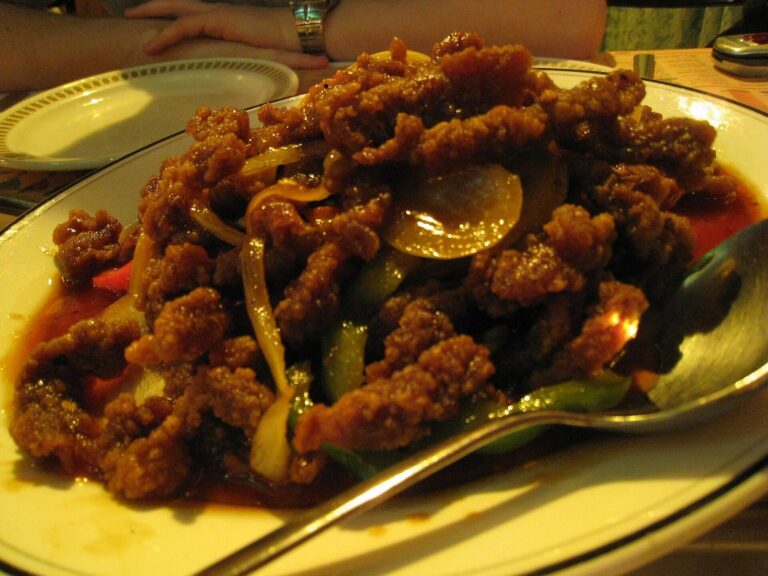
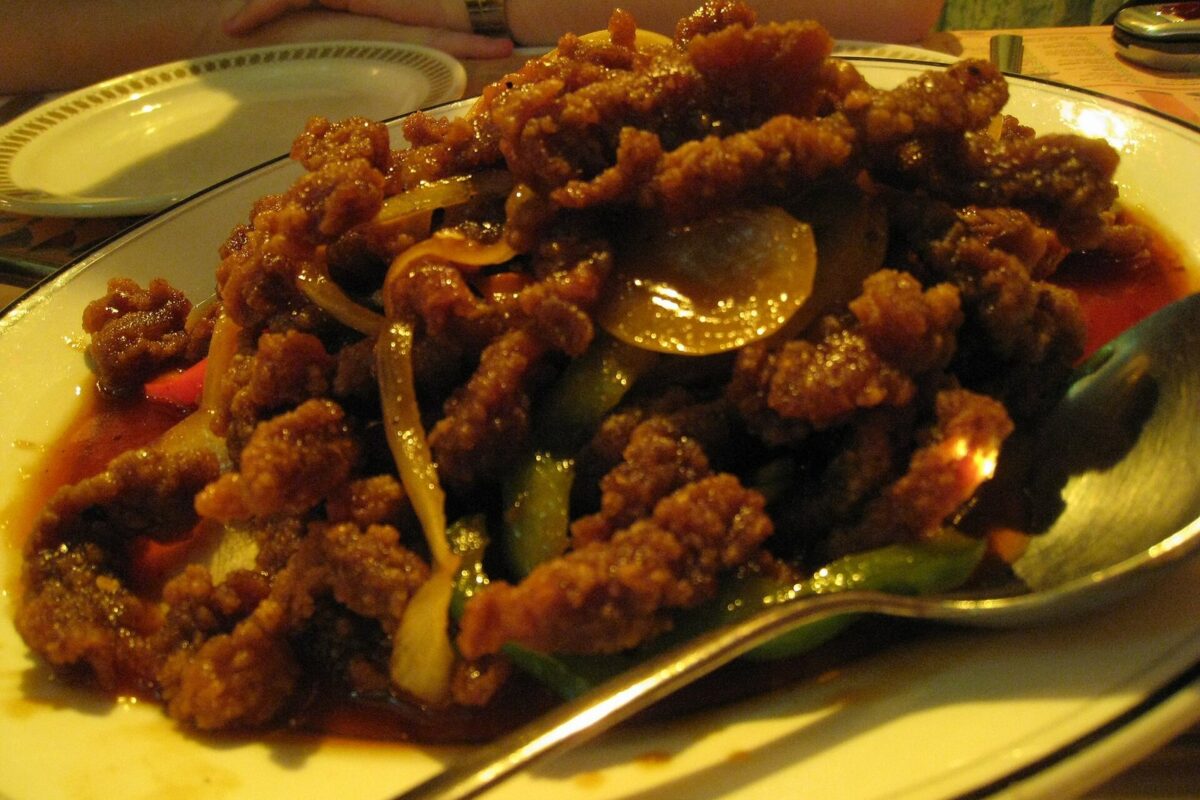
Ask anyone who grew up in Alberta about Chinese takeout and ginger beef comes up within a minute: crisp, battered strips of beef in a glossy, sweet-hot sauce with slivers of carrot and pepper. It is on menus from Lethbridge to Winnipeg, yet it is not a traditional dish from China. It was worked out in a small Calgary dining room in the mid-1970s, and the details of that story explain almost everything about how the dish tastes.
The short version
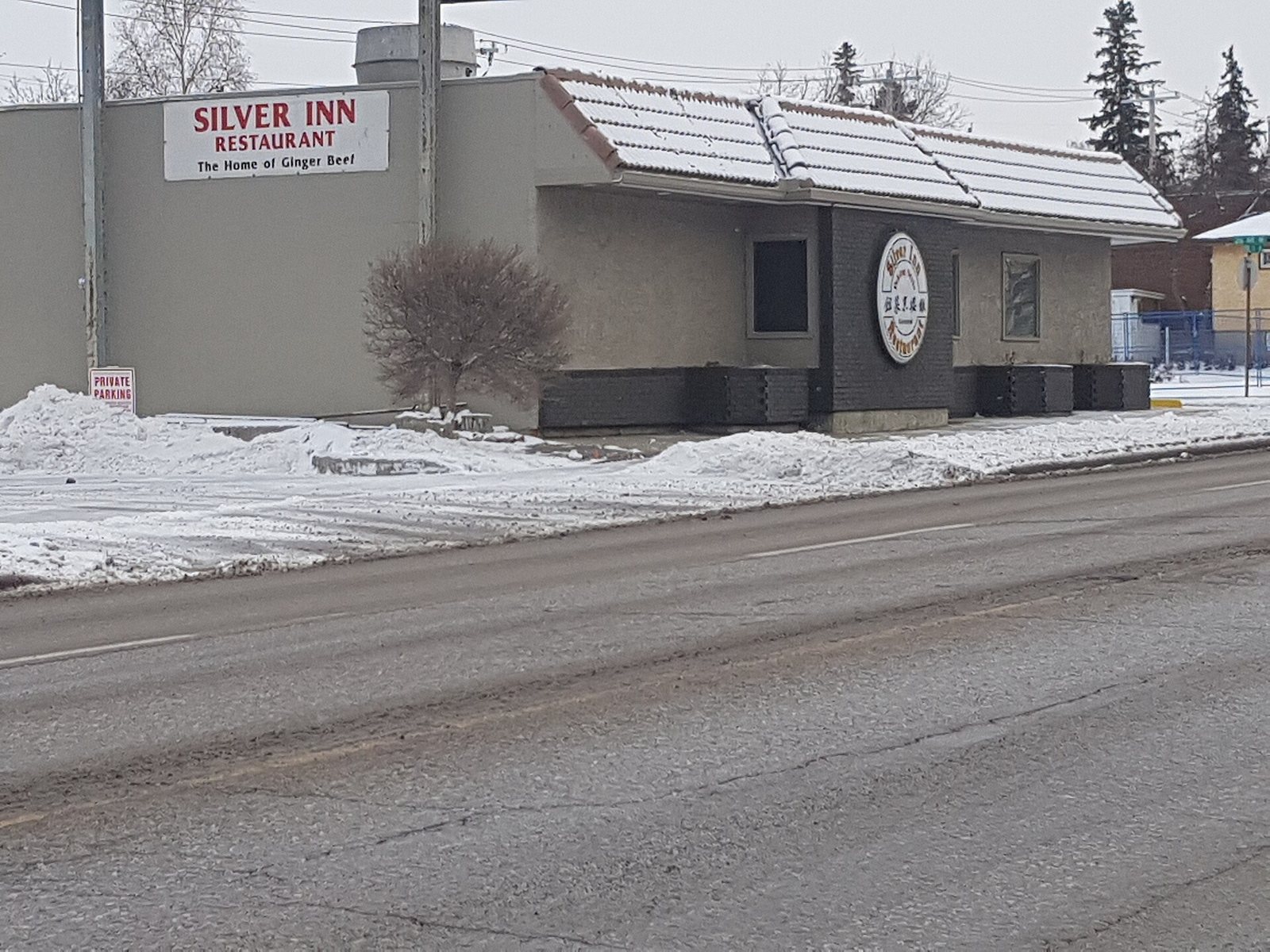
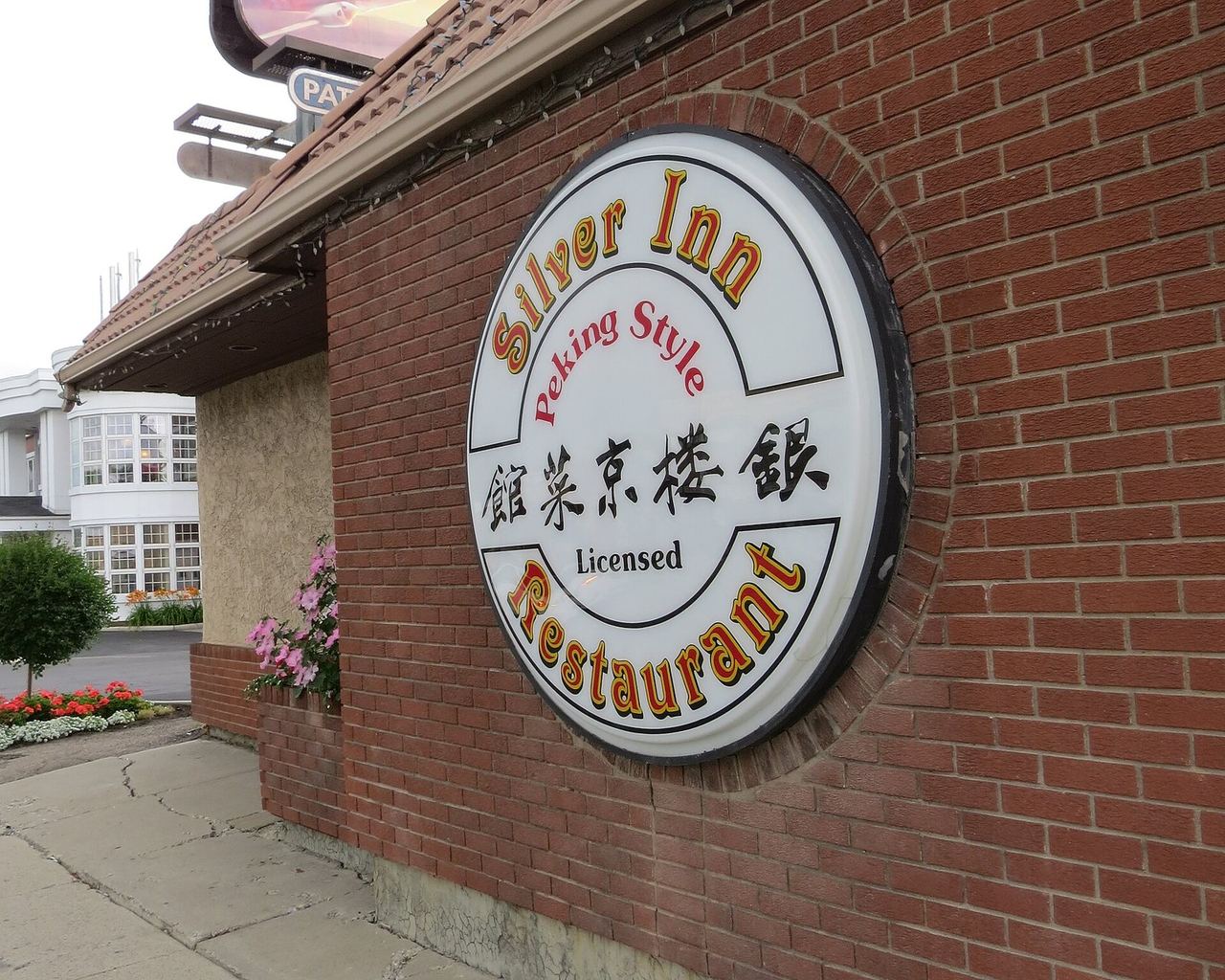
According to The Canadian Encyclopedia, sisters Lily Wong and Louise Tsang opened the Silver Inn in Calgary in 1975 as a chop suey restaurant. Lily’s husband, George Wong, ran the kitchen. Wong had cooked Peking-style food before coming to Canada and wanted a snack-like plate that would sell alongside drinks. His first attempt, a chewy, jerky-like sweet beef, did not land with Calgarians, who were used to tender Alberta beef and found it too spicy.
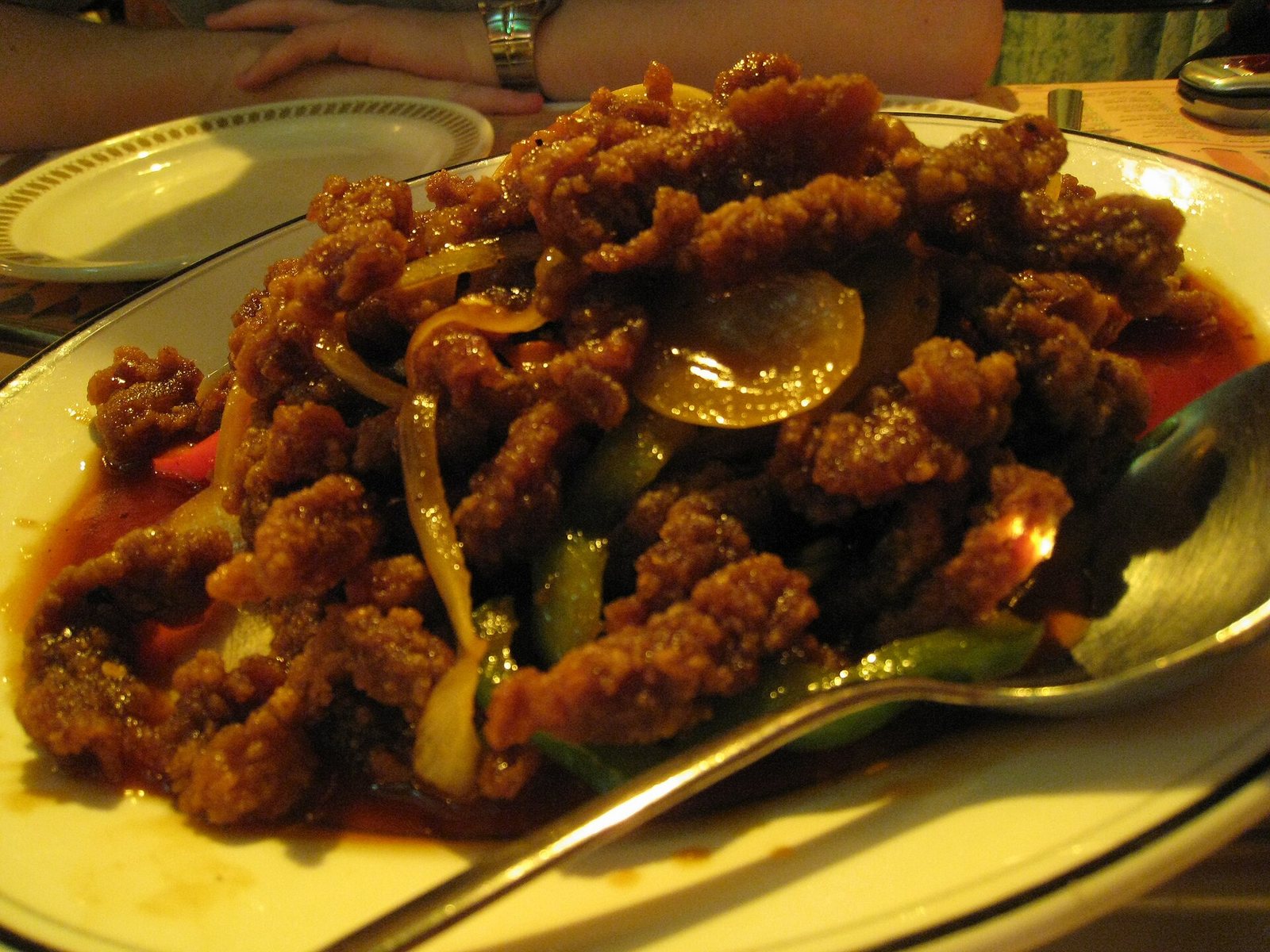
So he changed the method. He cut beef into thin strips, battered and deep-fried them so the outside turned crisp like a French fry, and coated them in a sweet-and-sour chili, garlic and ginger sauce that he likened to ketchup. The family called it deep-fried shredded beef in chili sauce. Customers, struggling with the long name, started asking for “ginger beef”, and the nickname stuck.
A timeline of the dish
- 1975: The Silver Inn opens near Calgary’s Chinatown with a menu that mixes western plates and Peking-style dishes, which the owners later said were unfamiliar to most local diners at the time.
- Mid-1970s: George Wong develops the battered, fried version of a sweet beef dish he had cooked earlier. Family members interviewed by Daily Hive say the original recipe contained no ginger at all; the sauce simply gave “a hint or illusion” of it.
- 1978: CBC reported in 2007 that the restaurant moved to its northeast Calgary location that year.
- Late 1970s to 1980s: Owner Kwong Cheung told Daily Hive that by the late ’70s and early ’80s “every Chinese restaurant in town” had ginger beef on the menu. It spread across the Prairies and into food courts nationwide.
- Oct. 9, 2022: After 47 years, the Silver Inn closed when its owners retired, as reported by Global News and CTV. Its sign was briefly stolen the next day and later returned.
Why it tastes the way it does
Every quirk of modern ginger beef traces back to that adaptation. The batter exists because tender local beef needed a texture contrast; the fry gives the crunch that the Silver Inn family compared to fries. The sauce leans sweet because the kitchen was deliberately toning down spice for 1970s Canadian palates, a common move for Chinese Canadian cooks of the era, as The Canadian Encyclopedia notes. Ginger often does appear in today’s versions, but the dish’s name came from customers, not the recipe.
The Sidney Museum’s “edible artefacts” entry adds a useful framing: ginger beef belongs to the wider chop suey tradition, in which Chinese immigrant cooks built new dishes for local diners in order to keep their businesses alive. Seen that way, ginger beef is less a “fake” Chinese dish than a genuinely Canadian one with a Hong Kong cook’s technique behind it.
How to judge a plate of ginger beef
YumYak has not run a tasting panel, so this is a research-based checklist drawn from how the original was described, not a ranking of restaurants:
- Crunch that survives the sauce. The strips should be coated, not drowned. A good kitchen tosses the beef in the wok at the last second so the batter stays crisp.
- Thin, even strips. The original was “shredded” beef. Thick chunks turn chewy inside the batter.
- Sweet first, heat second. Expect a sticky sweet-and-sour base with chili and garlic behind it. Very little heat is normal; ask if the kitchen can make it spicier.
- Vegetables as a counterpoint. Julienned carrot, onion and sweet pepper add freshness. A plate with no vegetables is usually leaning on sugar alone.
- Eat it fast. Takeout is part of the dish’s history, but steam softens the batter. If you can, eat in, or leave the container lid slightly open on the drive home.
Where to find it now
With the Silver Inn closed, there is no single “original” counter to visit. Ginger beef remains on the menus of many Calgary Chinese Canadian restaurants and takeout shops, and some places use it in their name. Because menus and hours change, YumYak is not listing specific restaurants in this explainer; check a restaurant’s own current menu before you go, and read recent reviews on Google Maps to see how others describe the texture. Calgary’s Chinatown, around Centre Street and 2 Avenue SW, is a sensible place to start a walk.
If you are in town for the holidays, pair the history with something seasonal from our Calgary Christmas markets guide.
Making it at home
Home cooks usually follow the same three stages: slice flank or sirloin thinly against the grain, coat it in a cornstarch-based batter and fry until crisp, then toss quickly in a sauce of sugar, vinegar, soy, garlic, ginger and chili. A carbon-steel wok and a clip-on thermometer make the frying step easier to control; our wok and dumpling tools buying guide explains what to look for.
FAQ
Was ginger beef invented in Calgary?
The Canadian Encyclopedia, the Sidney Museum and the Silver Inn family all place its creation at Calgary’s Silver Inn in the 1970s, with George Wong as the cook. In a 2007 CBC interview, owner Kwong Cheung was more modest, saying the restaurant was “the first to use the current recipe in Calgary, if not Canada”.
Does ginger beef contain ginger?
Many modern versions do. The Silver Inn family has said their original recipe did not; customers named the dish after the flavour they thought they tasted.
Is the Silver Inn still open?
No. It closed on Oct. 9, 2022, after 47 years, when the owners retired.
Sources
Show 6 sourcesHide sources
- The Canadian Encyclopedia, “Ginger Beef” (accessed Nov. 24, 2026)
- Sidney Museum, “Ginger Beef” (Edible Artefacts) (accessed Nov. 24, 2026)
- Daily Hive Dished, “Silver Inn Restaurant: the birthplace of the iconic ginger beef dish” (accessed Nov. 24, 2026)
- CBC News (2007, archived), “Silver Inn, Calgary” (accessed Nov. 24, 2026)
- Global News, “An ode to ginger beef” (Oct. 22, 2022) (accessed Nov. 24, 2026)
- CTV News Calgary, “End of an era: Silver Inn Restaurant closes doors” (accessed Nov. 24, 2026)
How we made this guide: this is a research-based guide compiled from the official, press and reference sources listed at the end. YumYak did not visit or taste-test for this article. Hours, prices and availability change, so check official sites before you go.
Tours