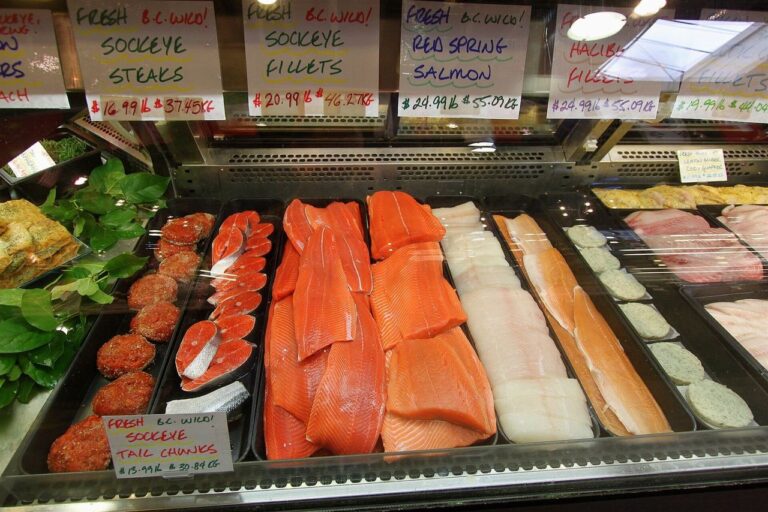
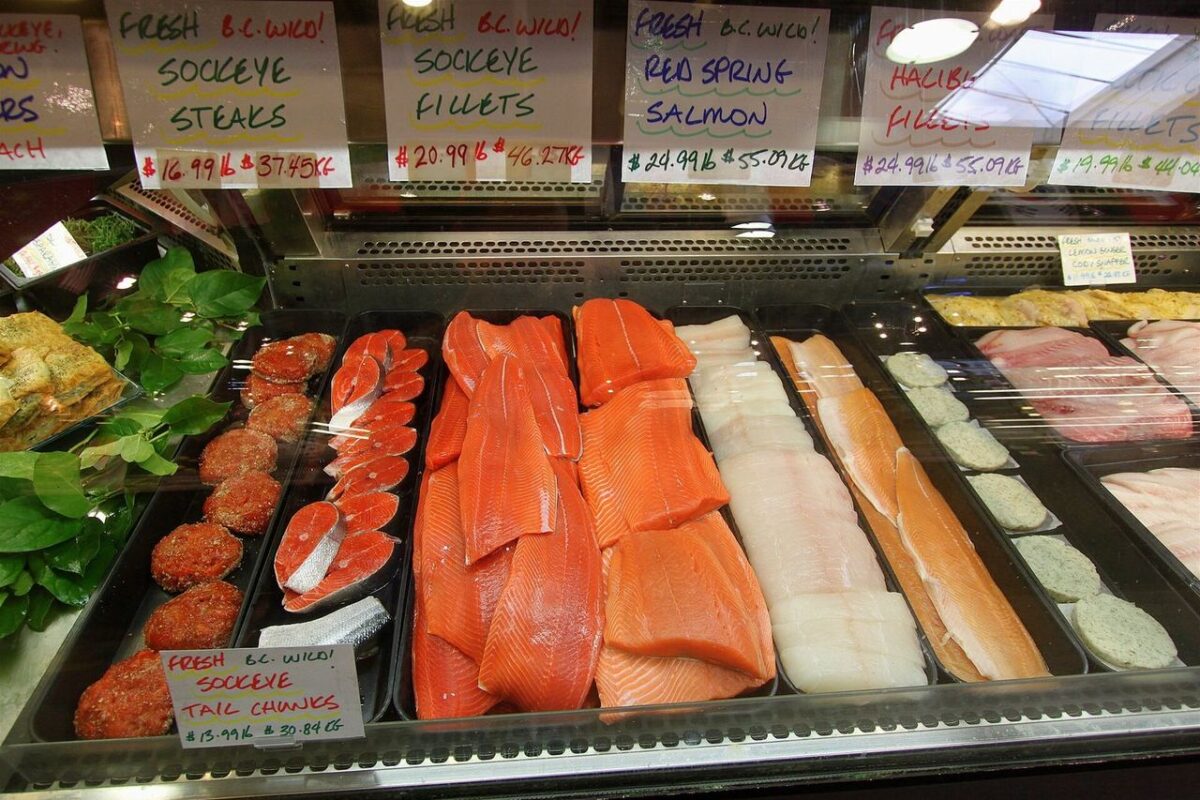
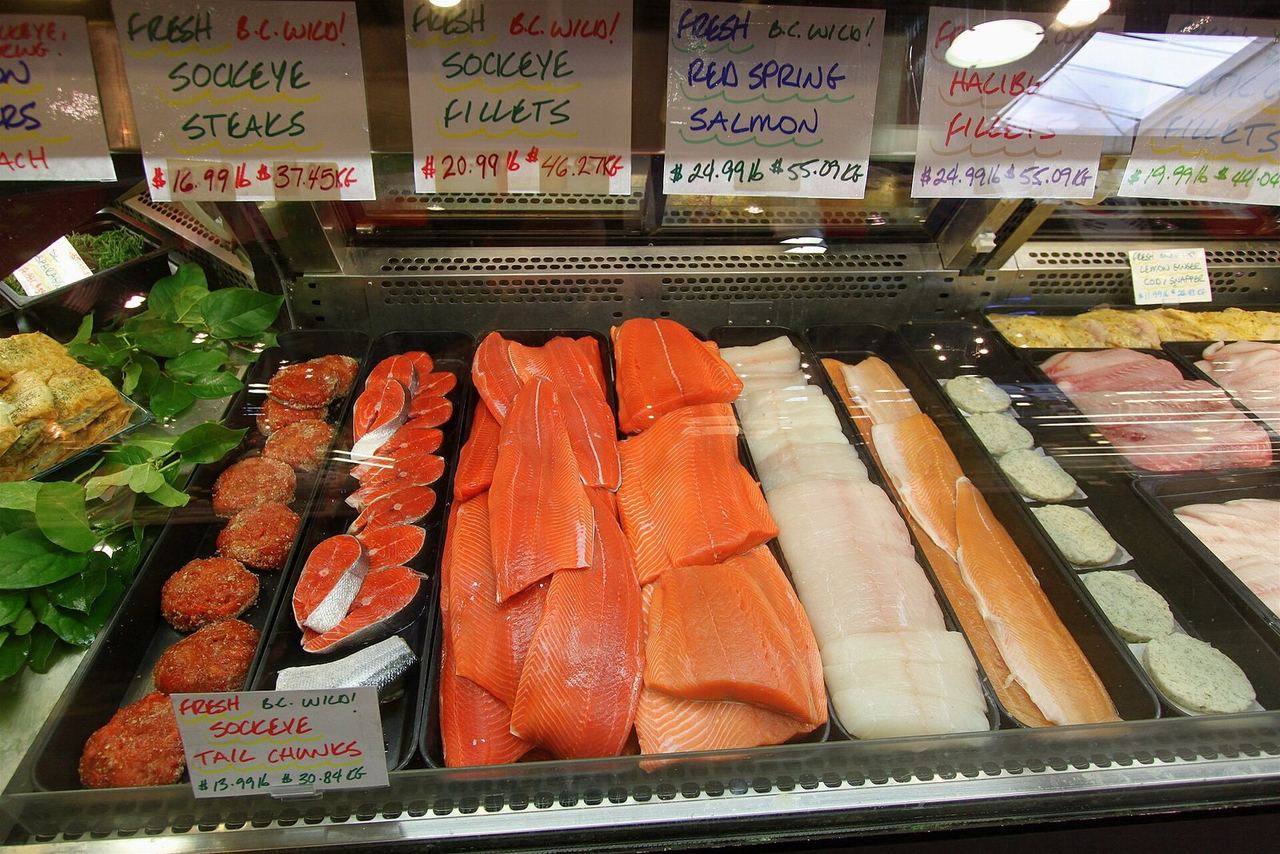
Walk past the fish counters at Granville Island or read a Vancouver menu and you will see salmon sold under at least five species names, plus nicknames like “spring”, “king”, “red” and “dog”. They are not interchangeable: they differ in colour, fat and flavour, and in how they are best cooked. This guide compares the five Pacific species found in British Columbia, using Fisheries and Oceans Canada (DFO) as the main reference, so you know what you are ordering or buying.
The five species at a glance
| Species | Other names | Flesh and fat | Often used for |
|---|---|---|---|
| Sockeye | Red salmon | Deep red, firm, rich | Grilling, cedar plank, smoked lox-style |
| Chinook | Spring, king, tyee (over 30 lb) | Largest species; flesh can be white, pink or deep red | High-end fillets, roasting, sashimi-style dishes |
| Coho | Silver | Orange-red, milder, medium fat | Pan-searing, baking, family dinners |
| Pink | Humpback, humpy | Pale pink, delicate, lean | Canned salmon, salmon cakes |
| Chum | Keta, dog salmon | Paler, low oil | Cold-smoking, roe (ikura), dried fish |
Flesh colour and fat vary by stock and season, so treat the table as typical rather than guaranteed.
Sockeye
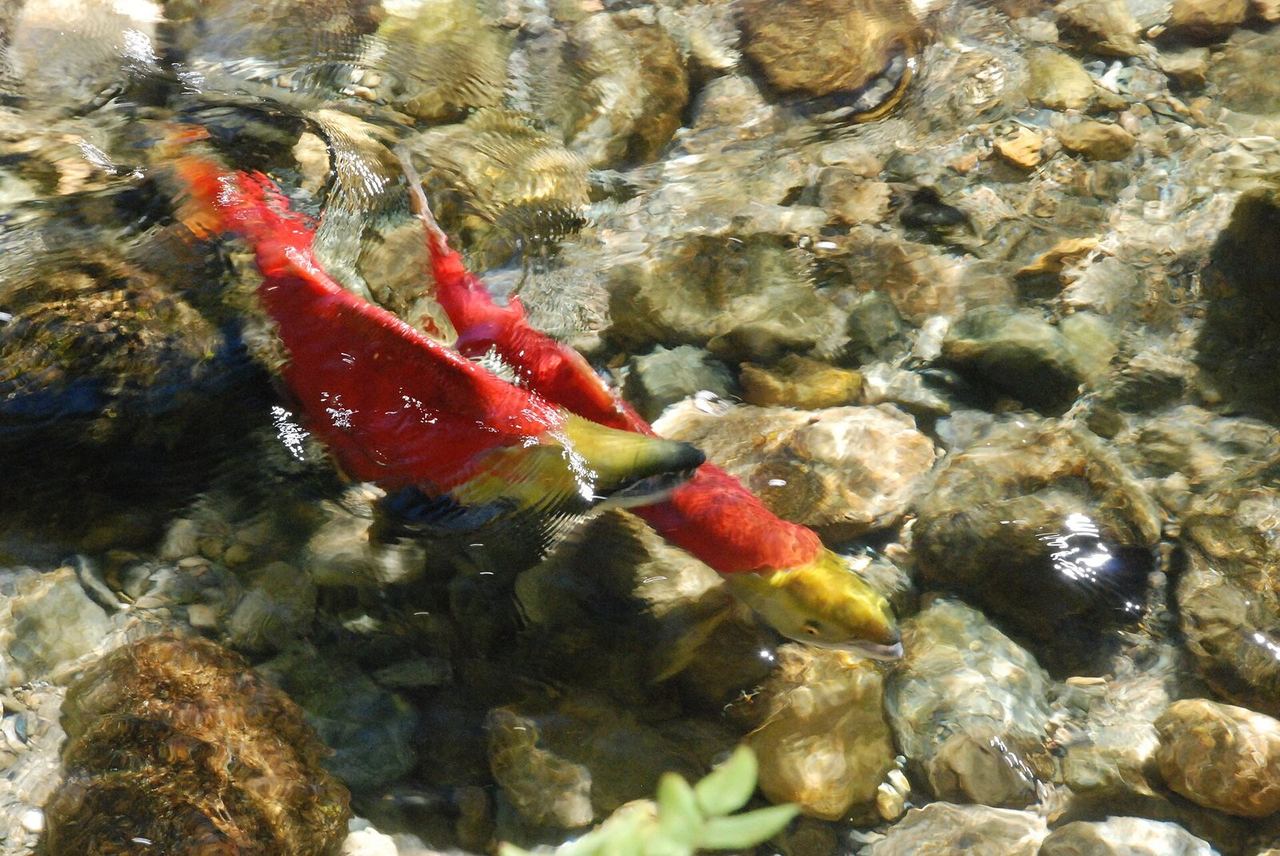
Sockeye is the salmon most people picture when they think of B.C.: deep red flesh and a pronounced flavour. Spawning sockeye turn bright red with green heads, and the Adams River run near Salmon Arm is one of the province’s best-known natural spectacles in big years. In the kitchen, sockeye’s firm, rich flesh holds up well on the grill or a cedar plank, but it is less forgiving than chinook if overcooked. DFO’s identification guide notes sockeye have white gums, small teeth and an unspotted tail.
Chinook
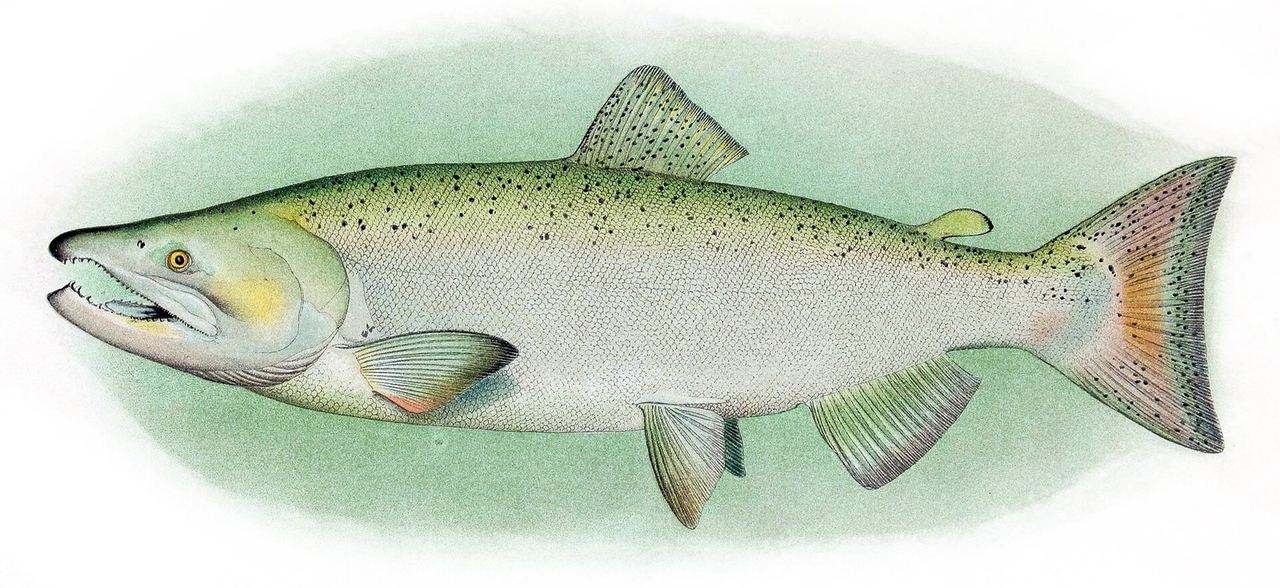
DFO calls chinook the largest Pacific salmon, with a world record of 57.27 kg (126 lb), and says they are also known as “spring” salmon because some return to rivers earlier than other species. Fish over 14 kg (30 lb) are called tyee. Unusually, adult chinook flesh can range from white through pink to deep red; white-fleshed “ivory” chinook is sometimes sold as a speciality. Its high fat content makes it the most forgiving species to roast or bake. DFO also notes chinook are a favoured prey of killer whales, which is one reason chinook fisheries are closely managed.
Coho
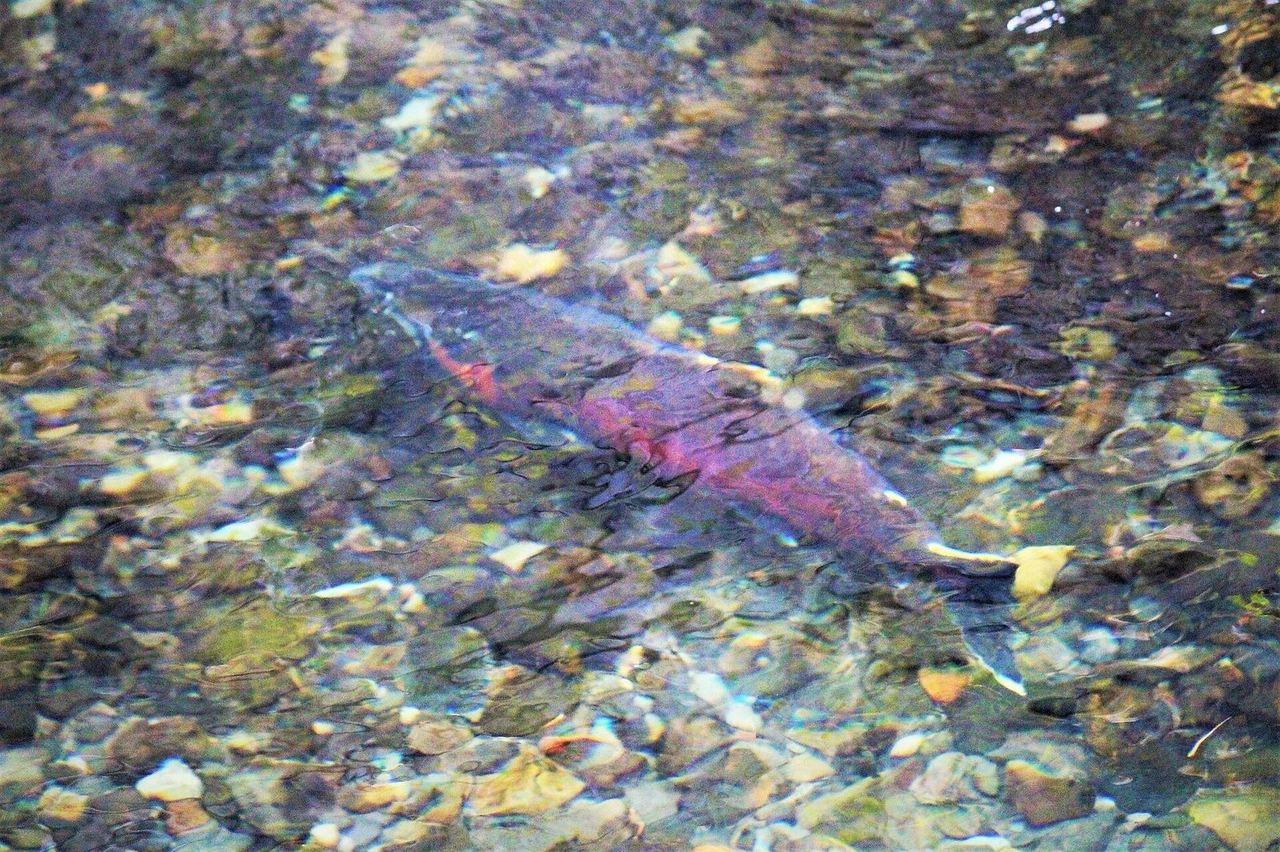
Coho, or silver salmon, sits in the middle: orange-red flesh, a milder flavour than sockeye and moderate fat. It is a good all-purpose fish for pan-searing skin-side down or baking. DFO’s guide identifies coho by white gums, medium teeth and spots on the upper part of a square tail.
Pink
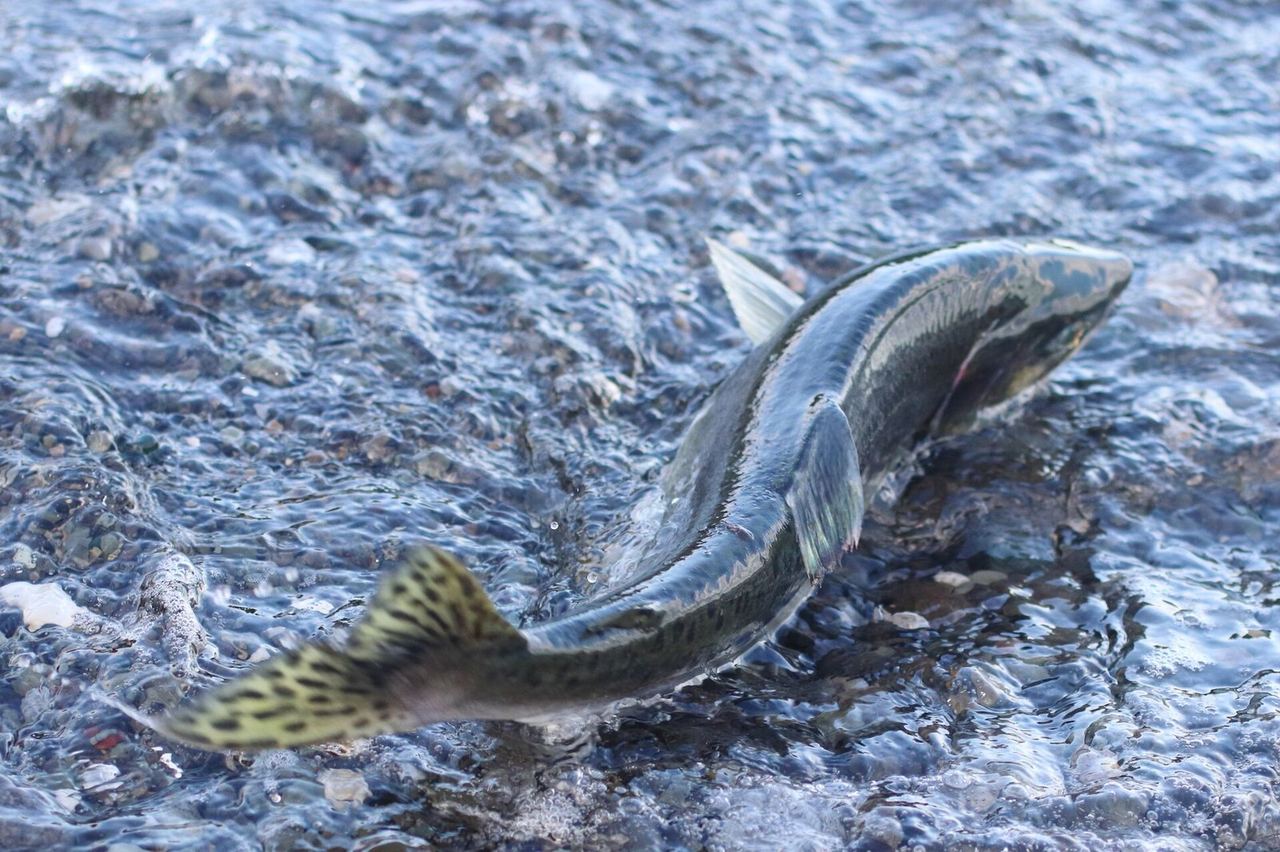
Pink salmon is the smallest species, with pale, delicate flesh and lower fat. It is the backbone of canned salmon and works well in salmon cakes, sandwiches and pasta. Males develop a pronounced hump before spawning, hence “humpback”. DFO notes pinks have black gums, almost no teeth and large oval spots on the tail.
Chum
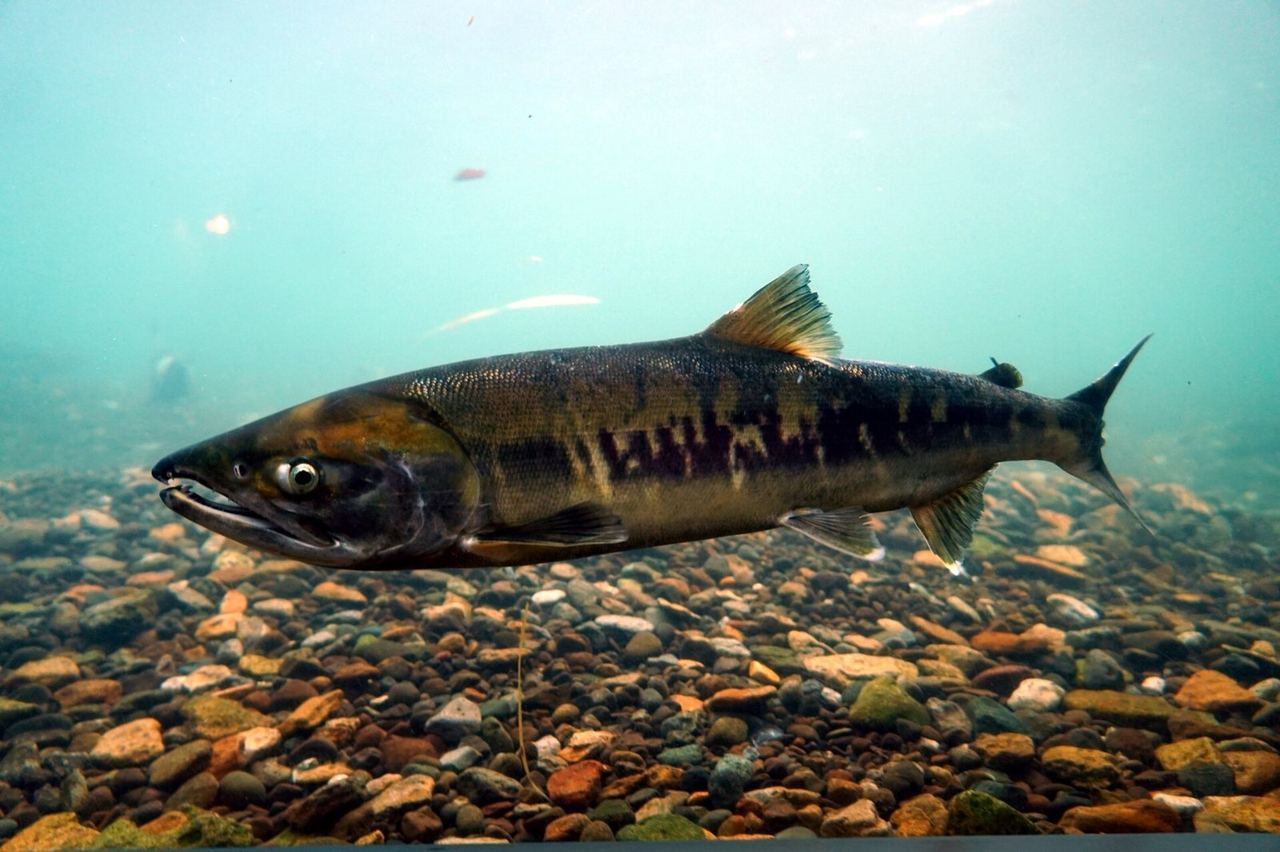
DFO says chum is “the least sought-after” Pacific species commercially, yet it has long been a staple for coastal peoples because of its abundance. Its low oil content makes it a preferred fish for cold-smoking, and its large orange eggs are widely used for salmon roe. Mature males develop prominent teeth, which led to the nickname “dog salmon”.
Buying salmon in Vancouver
- Ask “wild or farmed, and which species?” Atlantic salmon sold in B.C. is farmed; Pacific species in shops are usually wild, but ask.
- Ask “fresh or previously frozen?” Outside the summer and fall runs, much wild salmon is frozen at sea, which is normal and often excellent.
- Check sustainability. Ocean Wise, a Vancouver-based program, labels seafood choices it recommends.
- Granville Island Public Market has several fishmongers under one roof and is the easiest place to compare species side by side. Check the market’s site for hours.
YumYak has not compared Vancouver fish counters, so we are not ranking shops. For dining ideas, see our Vancouver dim sum guide.
Cooking tips by species
- Lean fish (pink, chum, coho): cook gently and stop when the centre is just opaque; brining briefly in salt water helps keep them moist.
- Rich fish (chinook, sockeye): high heat works; leave the skin on and press it flat in the pan for crisp skin.
- Safety: Health Canada’s safe internal temperature for fish is 70°C (158°F).
FAQ
What is the difference between sockeye and coho?
Sockeye has deeper red, richer, firmer flesh and a stronger flavour. Coho is orange-red, milder and slightly leaner.
Why is chinook called spring salmon?
According to DFO, some chinook return to rivers earlier in the year than other Pacific salmon species.
Which salmon is best for smoking?
DFO notes chum is a preferred fish for cold-smoking because of its low oil content; sockeye is also widely smoked.
Sources
Show 5 sourcesHide sources
- Fisheries and Oceans Canada, “Information about Pacific salmon” (accessed Nov. 24, 2026)
- Fisheries and Oceans Canada, “Identify your catch: BC sport fishing guide” (accessed Nov. 24, 2026)
- Ocean Wise Seafood (accessed Nov. 24, 2026)
- Granville Island Public Market (official site) (accessed Nov. 24, 2026)
- Health Canada, safe internal cooking temperatures (accessed Nov. 24, 2026)
How we made this guide: this is a research-based guide compiled from the official, press and reference sources listed at the end. YumYak did not visit or taste-test for this article. Hours, prices and availability change, so check official sites before you go.
Tours