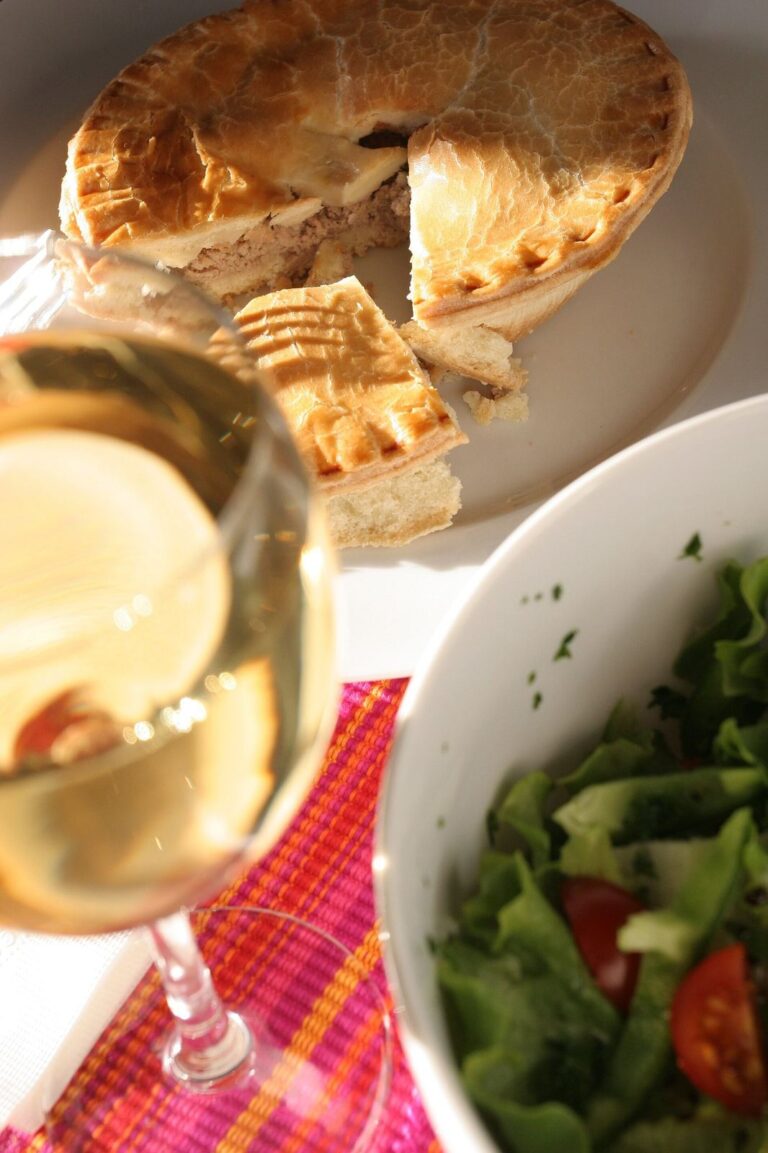
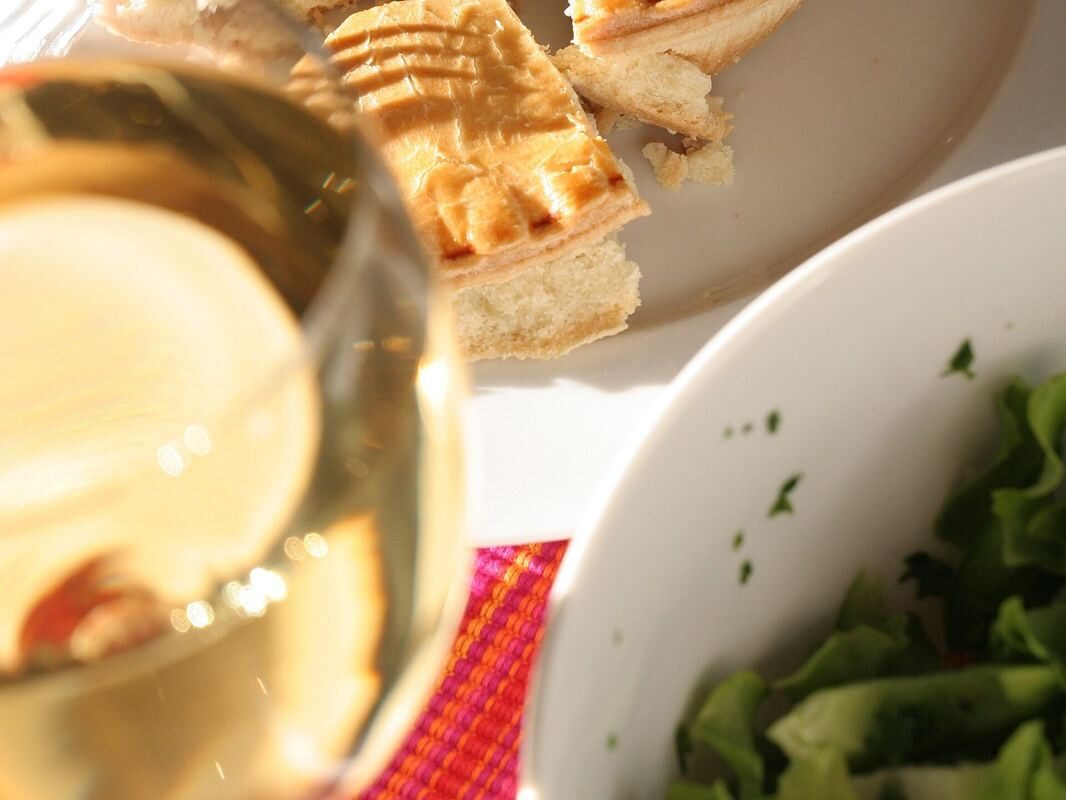
In Québec, the big Christmas meal traditionally happens in the middle of the night. The réveillon (from réveiller, to wake up) is the feast families share after midnight Mass on Christmas Eve, and later on New Year’s Eve too. Its dishes are rich, porky and built to feed a crowd, and several are older than Confederation. If you are spending December in Québec City, this guide explains what is on the table and how to find it.
1. Tourtière
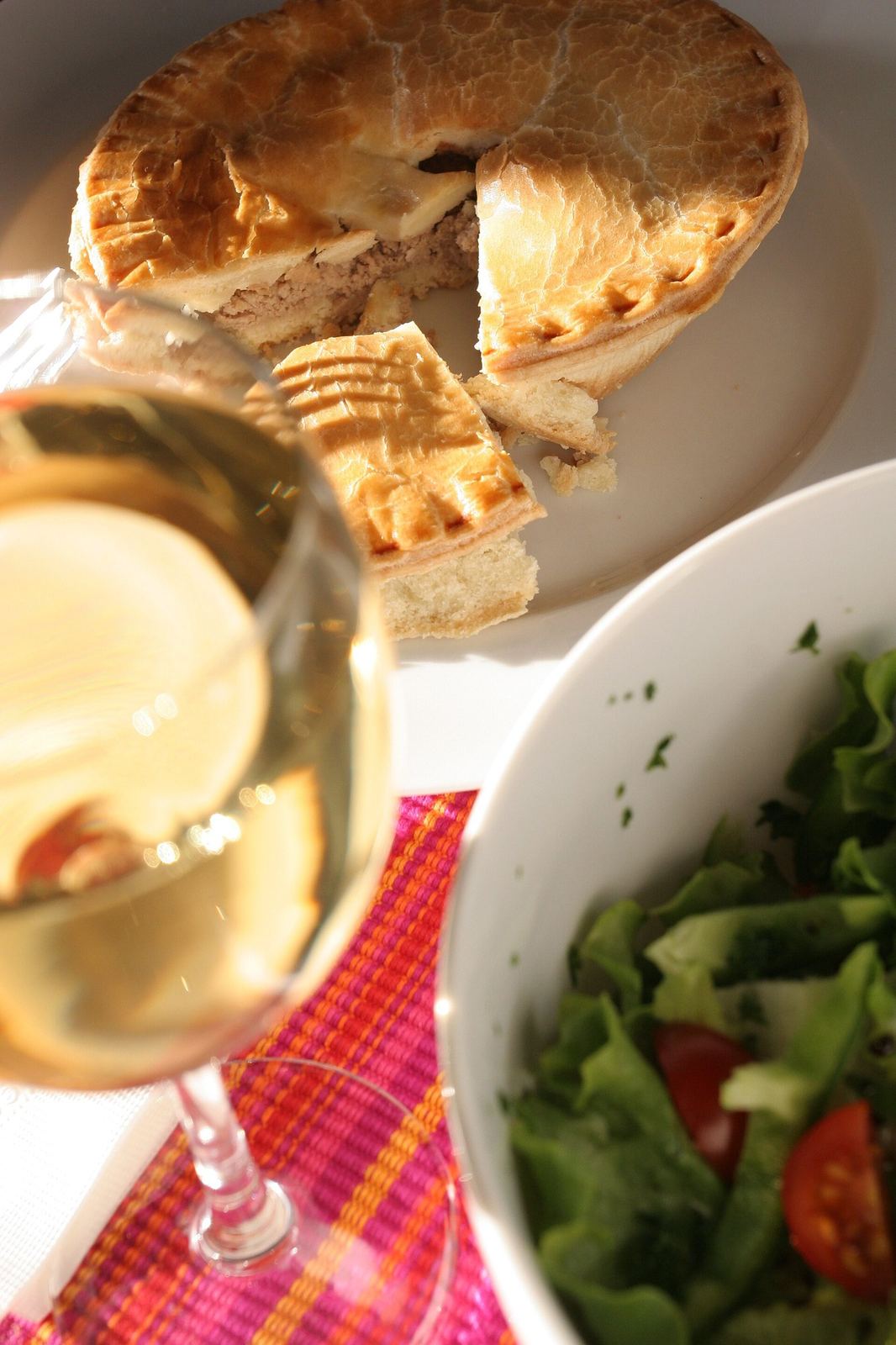
The Canadian Encyclopedia describes tourtière as a double-crusted meat pie, likely named for the shallow dish called a tourtière still used in France. The filling usually includes pork, sometimes mixed with veal, beef or game. Several recipes were printed in La cuisinière canadienne in 1840, likely the first French-language cookbook published in Canada. Culinary historian Elizabeth Driver notes that the meat was traditionally cut by hand into small pieces; ground meat is a later shortcut that changes the texture.
A persistent story says the name comes from tourte, meaning pigeon, after the passenger pigeons once hunted in huge numbers, including on Île d’Orléans just east of Québec City. The Encyclopedia treats this as a creation myth rather than settled fact. What is certain is that spiced pork pie, with cinnamon or clove in the filling, is the taste most Québécois associate with Christmas.
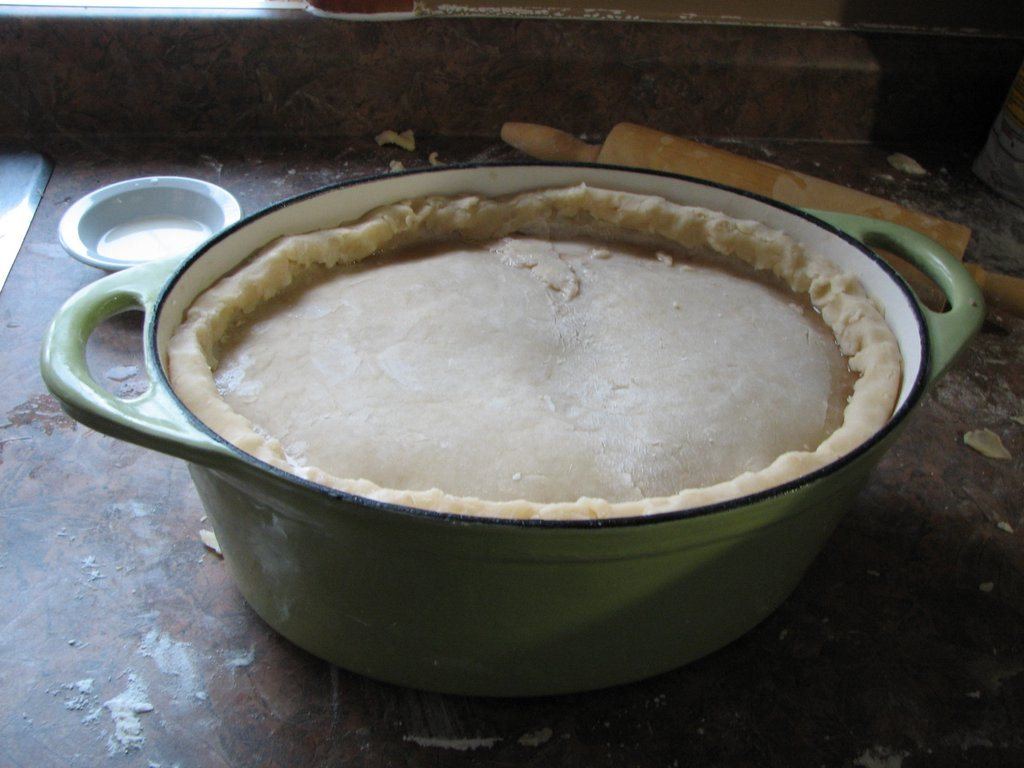
The Lac-Saint-Jean version
In the Saguenay–Lac-Saint-Jean region, “tourtière” means something else: a deep, many-layered pie of cubed meats and potatoes baked slowly for hours. The Encyclopedia notes the regional difference; in other parts of Québec, the deep pie is often called cipaille or cipâte, a name usually traced to the English “sea pie”. Acadians in the Maritimes call their meat pie pâté à viande.
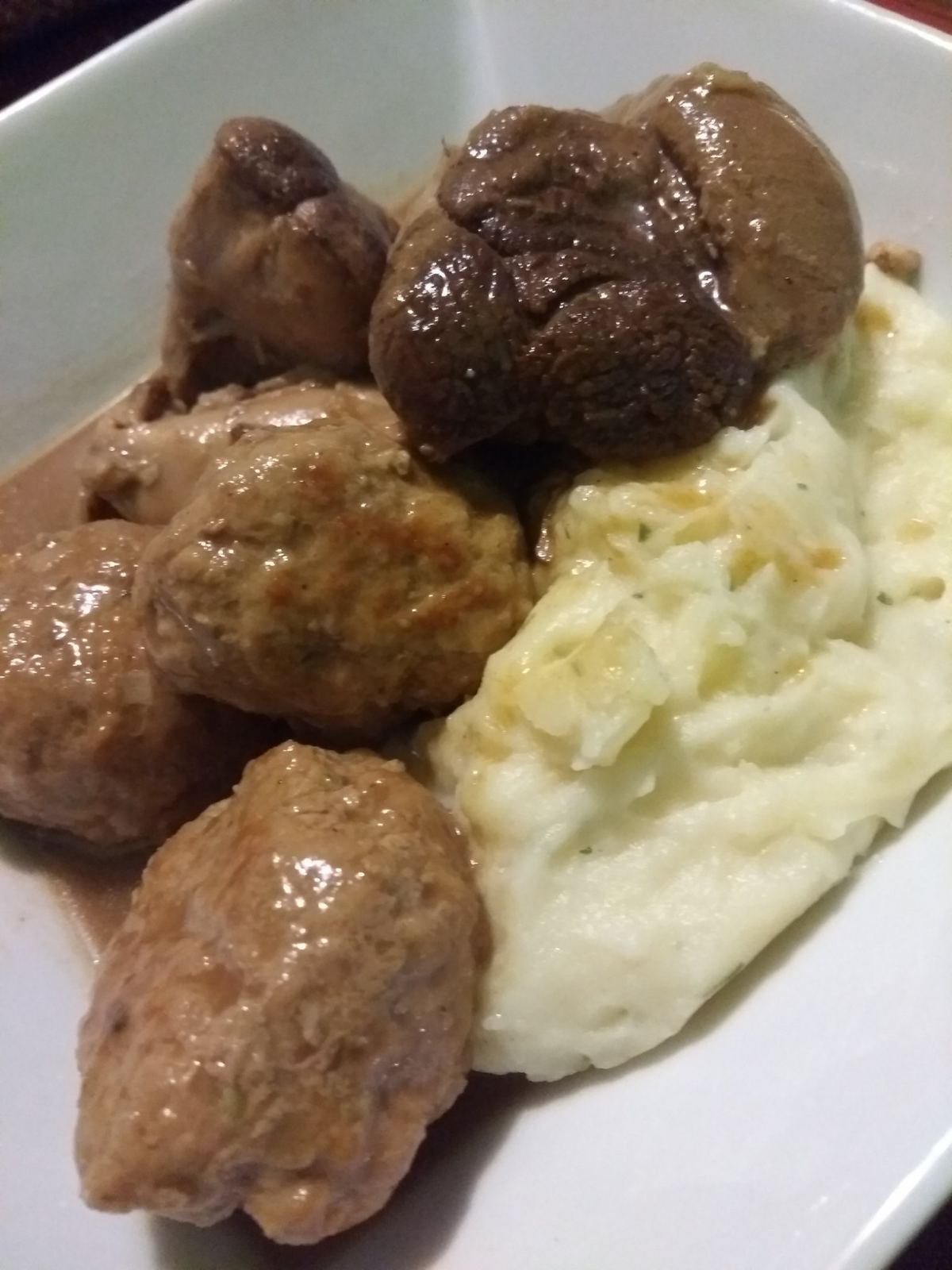
2. Ragoût de pattes de cochon (and boulettes)
Ragoût de pattes is a pork-hock stew thickened with browned flour, which gives it a dark, nutty sauce. Radio-Canada’s Mordu traces it to the family pig slaughter before winter, when every part of the animal had to be used, and notes that the first Québec recipe is documented in 1865. Meatballs (boulettes) are often cooked in the same pot, producing the familiar “ragoût de boulettes et de pattes”, although historians point out that the two were once separate dishes. It is usually served with potatoes and pickled beets.
3. The supporting cast
- Dinde (turkey): a later addition, now common alongside or instead of tourtière.
- Pain sandwich: a “sandwich cake” of layered bread and fillings, which Radio-Canada lists among the province’s holiday-table traditions.
- Atocas: cranberry sauce or relish; atoca is a Québec French word borrowed from an Indigenous language.
- Ketchup aux fruits: a sweet-sour tomato and fruit chutney, the classic topping for tourtière.
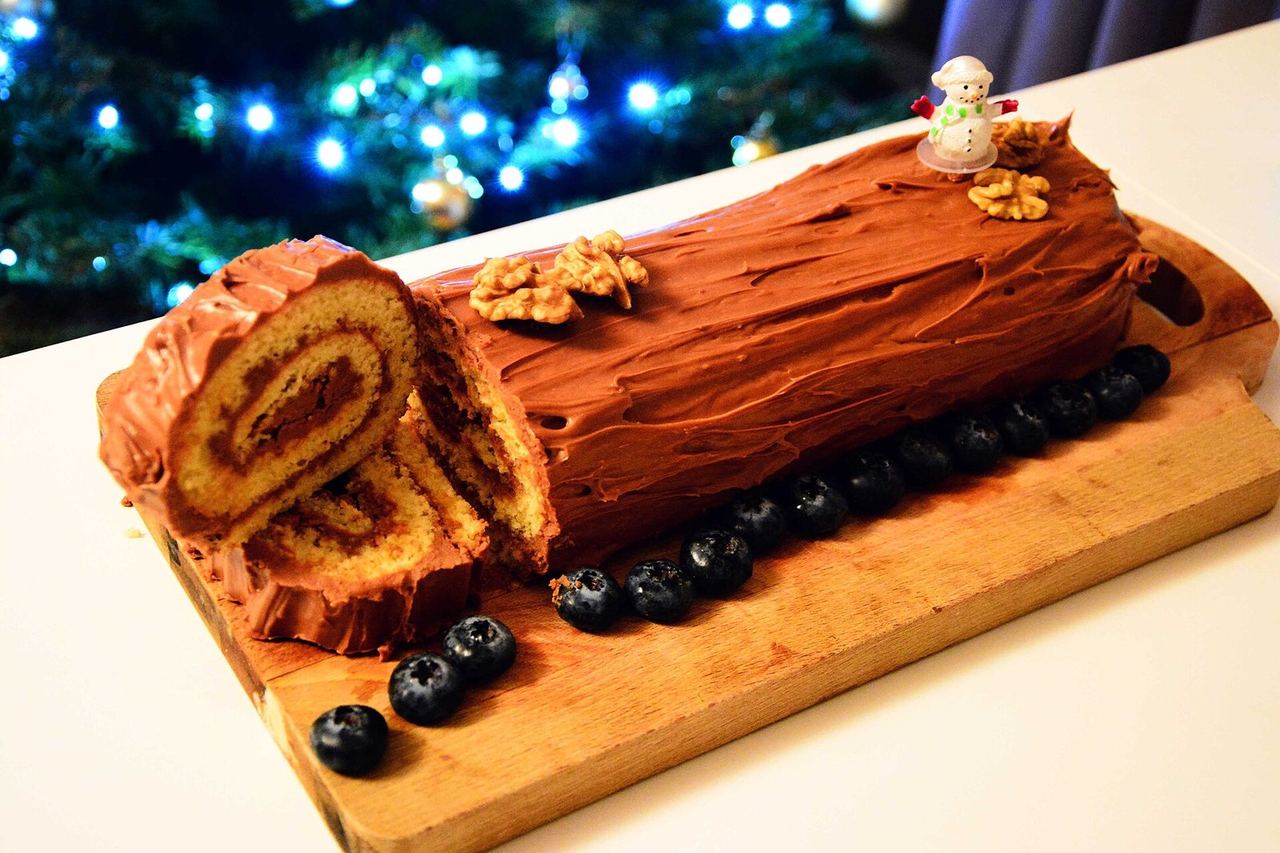
4. Bûche de Noël
The yule log cake, a rolled sponge iced to look like bark, is a French pastry. Radio-Canada reports it became popular in Québec in the 1950s. Today Québec City bakeries sell them through December, often by pre-order.
5. Tarte au sucre
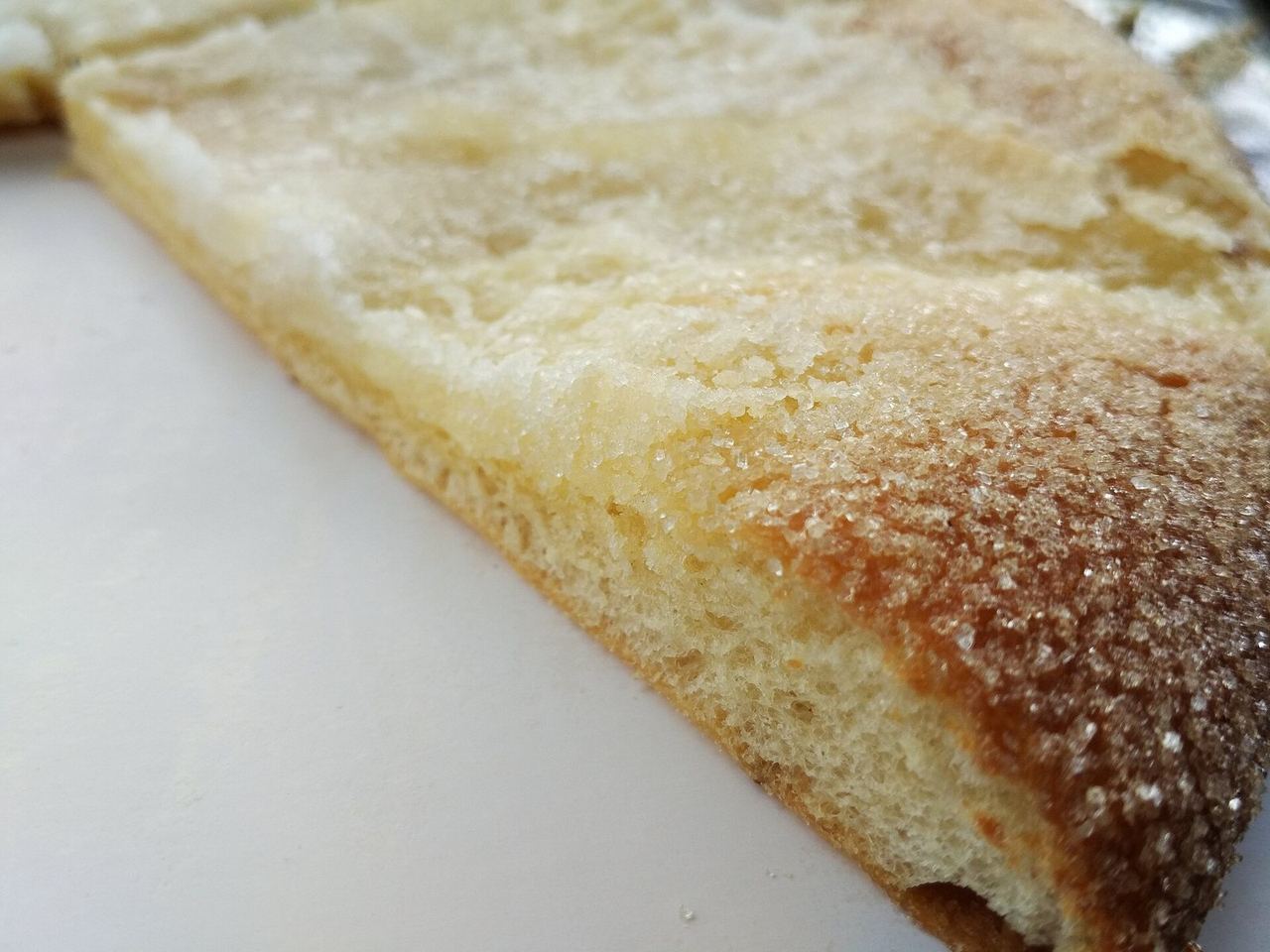
Sugar pie, made with brown or maple sugar and cream, appears at réveillon as well as all year round. It is closely related to the sugar pies of northern France and Belgium.
Tasting réveillon foods in Québec City
Most réveillons are private family meals, so visitors usually meet these dishes in other ways:
- Butchers, bakeries and markets sell tourtières, ragoût and bûches before the holidays. The Grand Marché de Québec, at ExpoCité, is a good place to look for Québec-made pies and preserves; check its site for December hours.
- Traditional Québécois restaurants in the Old City serve tourtière and pea soup year-round.
- Hotel holiday menus often include a réveillon-style meal. Our guide to Christmas dining at the Château Frontenac lists that hotel’s official 2026 options and prices.
YumYak has not taste-tested Québec City tourtières, so we are not ranking shops. Ask bakeries whether their pie is the spiced ground-pork style or the deep Lac-Saint-Jean style before you buy.
FAQ
What is a réveillon in Québec?
A late-night family feast after midnight Mass on Christmas Eve, and also held on New Year’s Eve.
What is the difference between tourtière and cipaille?
Classic tourtière is a shallow double-crust pie of spiced ground or chopped meat. Cipaille, and the Lac-Saint-Jean “tourtière”, is a deep, layered pie of cubed meats and potatoes baked for hours.
What do you eat with tourtière?
Ketchup aux fruits, pickled beets or cranberry relish are the usual companions.
Sources
Show 5 sourcesHide sources
- The Canadian Encyclopedia, “Tourtière” (accessed Nov. 24, 2026)
- Radio-Canada, “Pain sandwich, tourtières et dinde : les origines de nos traditions culinaires des Fêtes” (accessed Nov. 24, 2026)
- Radio-Canada Mordu, ragoût de pattes de cochon history (accessed Nov. 24, 2026)
- McCord Stewart Museum, “Holiday Recipes” (accessed Nov. 24, 2026)
- Grand Marché de Québec (official site) (accessed Nov. 24, 2026)
How we made this guide: this is a research-based guide compiled from the official, press and reference sources listed at the end. YumYak did not visit or taste-test for this article. Hours, prices and availability change, so check official sites before you go.
Tours