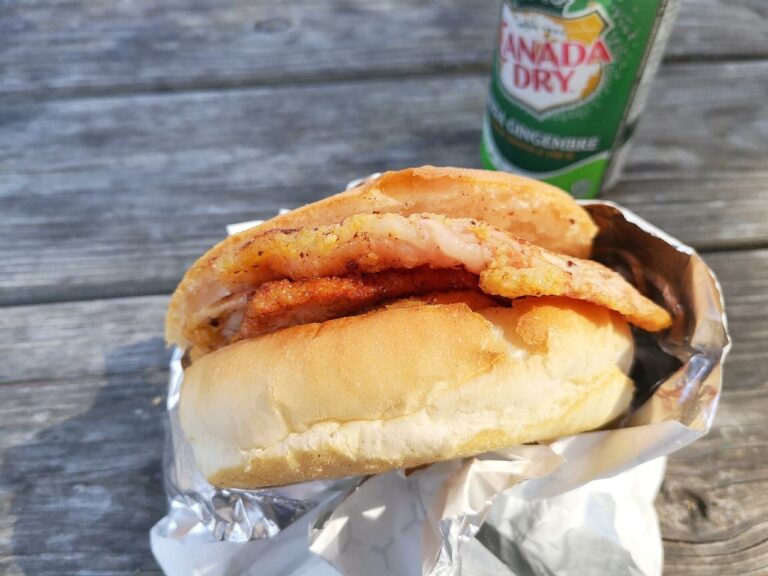
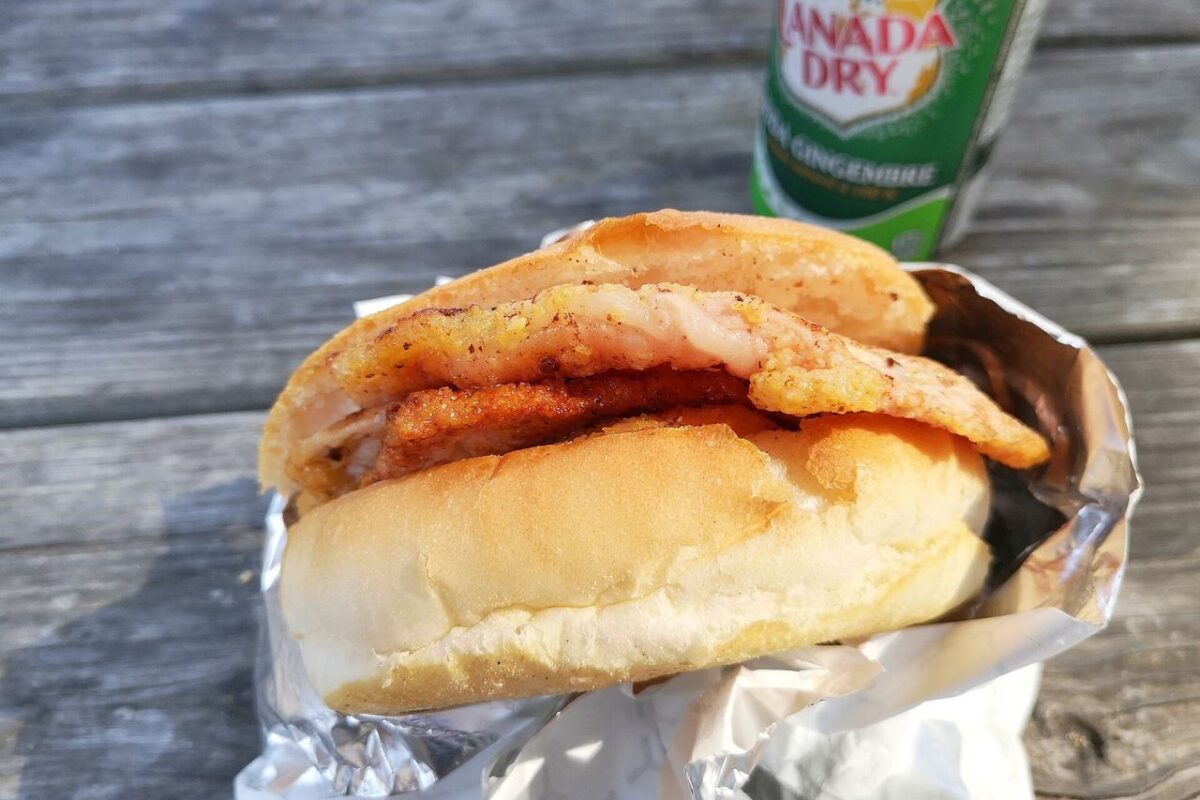
Toronto does not have many dishes it can call its own, which is one reason the peameal bacon sandwich gets so much attention. It is simple: thick slices of cured, cornmeal-rolled pork loin, griddled and piled into a soft bun, usually with mustard. Behind it is a 170-year story about pork packing, a nickname and a family bakery stall that kept a market tradition alive.
What peameal bacon actually is
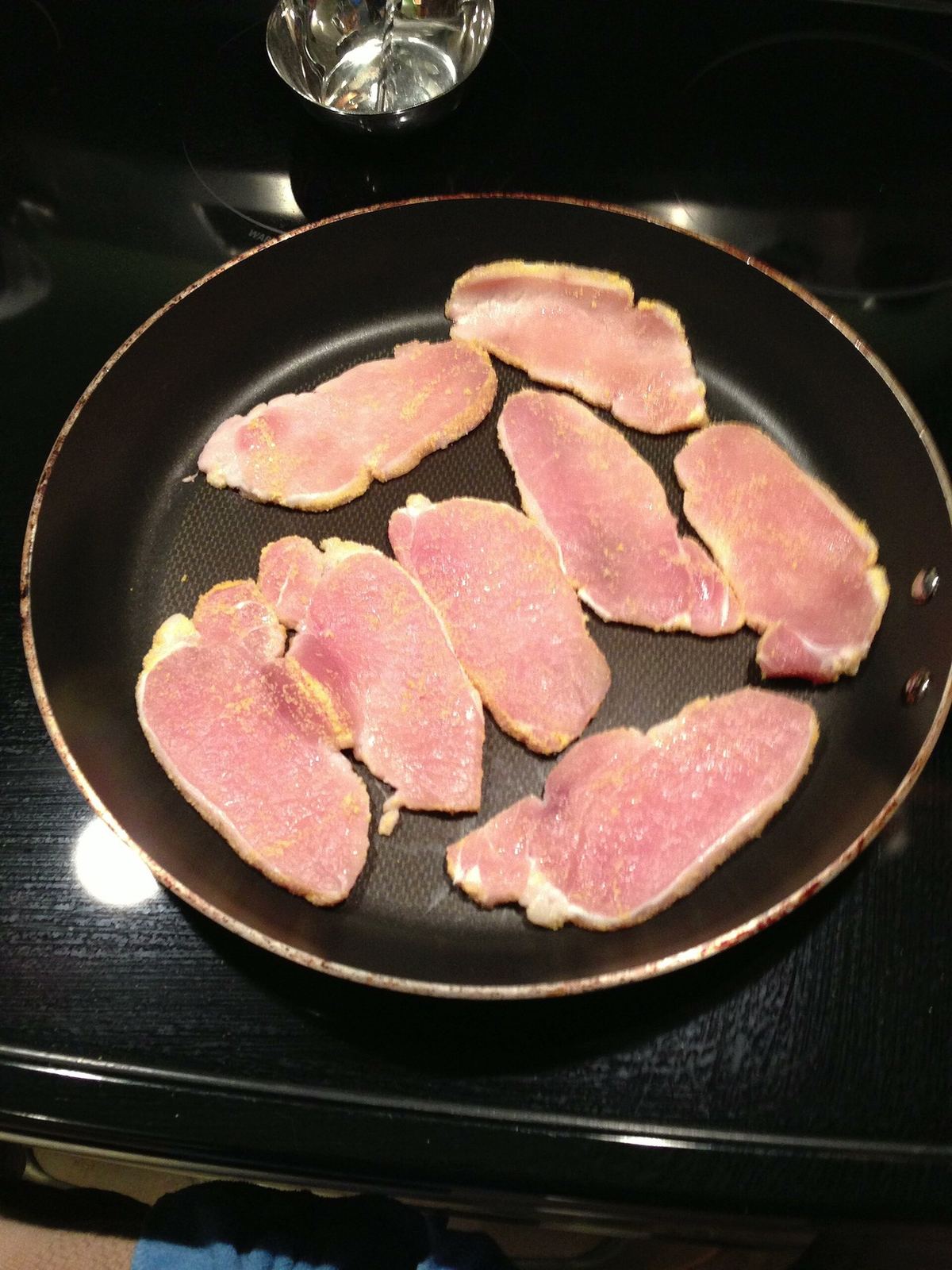
Peameal bacon is not streaky bacon and not smoked. It is lean, boneless pork loin that has been wet-cured in brine, then rolled in meal. The Canadian Encyclopedia explains that Canadian butchers favoured wet curing over the British dry cure because it was faster and suited large-scale production. The original coating was ground dried yellow peas; cornmeal replaced it over time, but the name stayed. Outside Canada, a similar cut is sometimes sold as “Canadian bacon”, though that usually means a smoked, uncoated version.
How Toronto became Hogtown
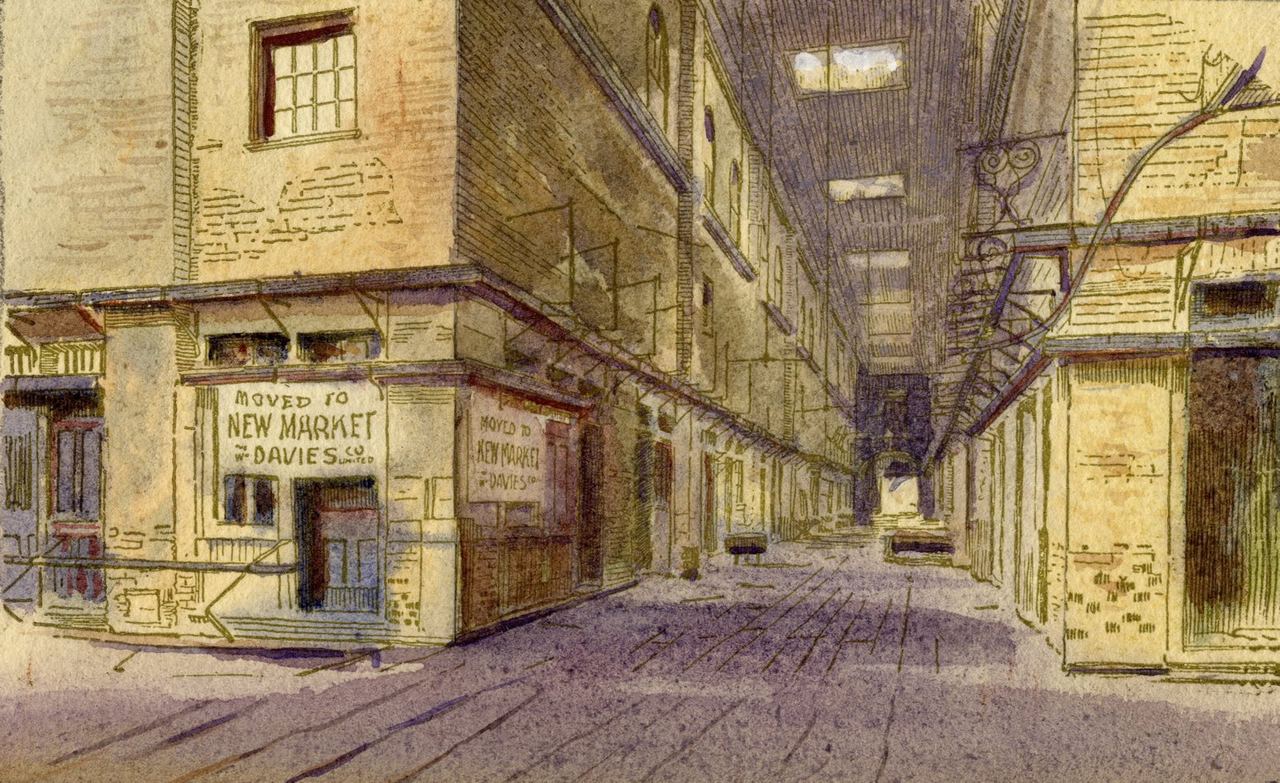
The figure most tied to peameal bacon is William Davies. The Canadian Encyclopedia records that Davies, born in England in 1831, started selling food at Toronto’s East Market Square, now St. Lawrence Market, in 1854, and sent his first shipment of cured pork to England in 1860. By 1879 he had built a plant near the Don River, and the pork shipped from Toronto to Britain became so important that the city picked up its “Hogtown” nickname. Under Joseph Flavelle the company claimed to be the largest pork-packing plant in the British Empire; it later merged into Canada Packers, a forerunner of today’s Maple Leaf Foods.
Whether Davies personally invented peameal bacon is less certain. University of Toronto historian Daniel Bender told Food Network Canada that “you’ll not find a single origin story”, because many curing methods existed at once. The fair summary: Davies probably popularized it, and Toronto’s pork trade made it a local staple.
From butt ends to a market icon
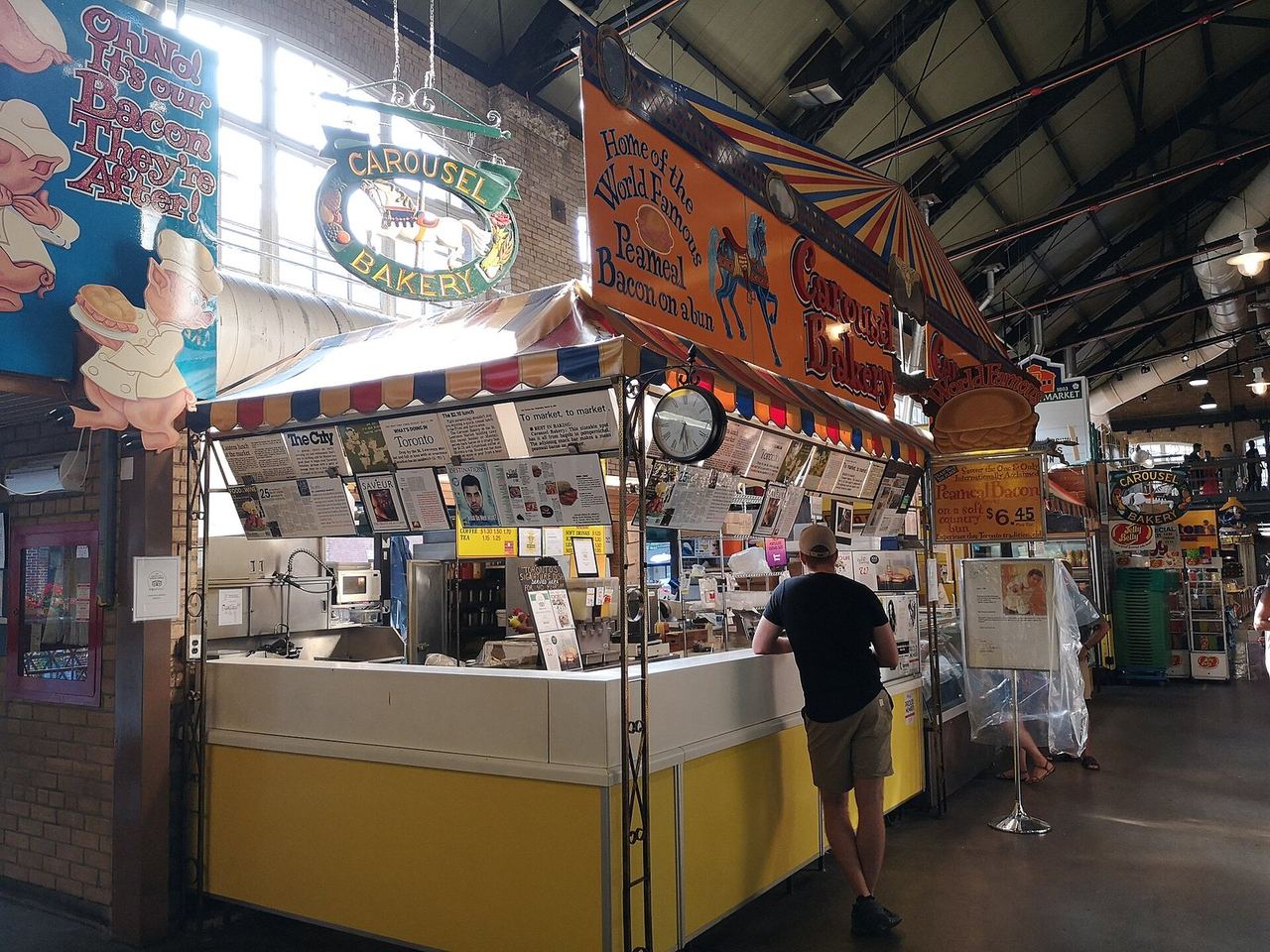
The sandwich came much later. The Canadian Encyclopedia says Elso Biancolin learned to cure meat at a St. Lawrence Market butcher, Brown Brothers, in the 1950s. Because customers preferred the centre cuts of the loin, the ends tended to go unsold; frying the ends and putting them in a bun avoided waste. The Biancolin family bought Carousel Bakery at the market and made the sandwich its feature. Accounts differ on the exact year the family took over the bakery and on who first fried the ends, so YumYak is not choosing between them.
In 2016, Mayor John Tory declared the peameal bacon sandwich Toronto’s signature dish. In 2025 the Toronto Star reported that brothers Robert and Maurice Biancolin were retiring after 48 years at the stall; a July 2026 post by the Hospitality Workers Training Centre says the business passed to the Pulla family of Johnvince Foods on the condition that the staff stayed on, and the sandwich is still served.
How to order one
- Start classic. Peameal on a bun with mustard is the baseline. Many counters also offer cheese, egg or a breakfast version; try the plain one first so you know what the meat tastes like.
- Mustard matters. Yellow or honey mustard cuts through the salt. Some people add hot peppers.
- Expect a stack. The appeal is a thick pile of thin, griddled slices, not one slab. Edges should be lightly browned.
- Go early on Saturday. Saturday is the market’s busiest day. Weekday mornings are calmer.
- Check hours first. St. Lawrence Market’s South Market is closed on Mondays and runs reduced hours on some holidays. Confirm on the market’s official site before you go.
YumYak has not run a side-by-side tasting of Toronto’s peameal sandwiches, so we are not ranking stalls. St. Lawrence Market’s vendor directory lists Carousel Bakery’s details, and several other market counters and Toronto diners serve peameal too.
Make it at home
Peameal roasts are sold at Ontario butchers and supermarkets. Slice about 5 mm thick, cook in a lightly oiled pan over medium heat for a few minutes a side until the cornmeal is golden and the pork is cooked through, then stack on a kaiser or soft roll with mustard. Because the loin is lean, it dries out if you cook it too hard; an instant-read thermometer helps, and Health Canada’s safe internal temperature for pork cuts is 71°C (160°F).
Exploring more of the market area? Our Toronto holiday food crawl and Toronto food tours guide both start nearby.
FAQ
Why is it called peameal bacon?
Because the cured loin was originally rolled in ground dried peas. Cornmeal replaced the peas, but the name stayed.
Is peameal bacon the same as Canadian bacon?
They are both made from lean pork loin. Peameal is wet-cured, unsmoked and coated in cornmeal; what is sold as Canadian bacon in the U.S. is usually smoked and uncoated.
When did the peameal bacon sandwich become Toronto’s official dish?
In 2016, when then-Mayor John Tory declared it the city’s signature dish.
Sources
Show 6 sourcesHide sources
- The Canadian Encyclopedia, “Peameal Bacon” (accessed Nov. 24, 2026)
- Food Network Canada, “The Very Canadian History of Peameal Bacon” (accessed Nov. 24, 2026)
- Toronto Star, “The brothers behind Toronto’s legendary St. Lawrence sandwich” (June 2025) (accessed Nov. 24, 2026)
- Hospitality Workers Training Centre, “The Sandwich That Never Left” (July 2026) (accessed Nov. 24, 2026)
- St. Lawrence Market vendor directory: Carousel Bakery (accessed Nov. 24, 2026)
- Health Canada, safe internal cooking temperatures (accessed Nov. 24, 2026)
How we made this guide: this is a research-based guide compiled from the official, press and reference sources listed at the end. YumYak did not visit or taste-test for this article. Hours, prices and availability change, so check official sites before you go.
Tours